Punjab High Court Disposes of Plea Following State Assurance on Videographed Post-Mortem
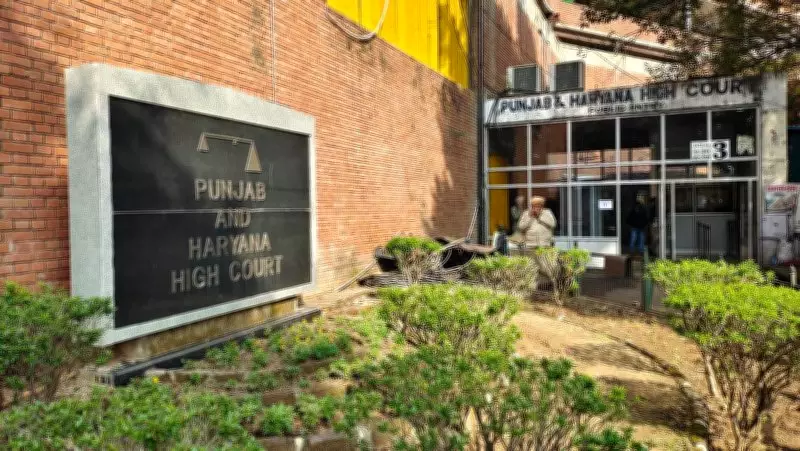
The Punjab and Haryana High Court has formally closed a petition concerning the death of a Punjab State Warehousing Corporation official after the state government provided assurances that the post-mortem examination was being conducted under videography. This development comes amidst serious allegations of foul play and ministerial pressure surrounding the tragic suicide of General Manager Gagandeep Singh Randhawa.
Court Proceedings and State Submission
Appearing before Justice Jagmohan Bansal's bench on Tuesday, state counsel informed the court that the post-mortem examination of Randhawa was actively in progress at Amritsar and was being comprehensively videographed. The counsel emphasized that the entire procedure would be preserved as crucial electronic evidence. This submission was made in response to a plea filed by Randhawa's mother, Bhag Kaur, who had moved the High Court alleging potential foul play by official respondents.
The state counsel explicitly stated: "The post-mortem is in progress and would be completed during the course of the day. The entire proceedings have been duly videographed. It would be preserved as electronic evidence." This assurance followed a specific request from Randhawa's wife, Upender Kaur, who had asked authorities to conduct the examination "under videography" in Amritsar.

Background of the Case and Allegations
Gagandeep Singh Randhawa, a General Manager with the Punjab State Warehousing Corporation, died by suicide two days prior to the court hearing after reportedly consuming poison. His mother's petition, filed through advocates Saurav Bhatia and Navdeep Khokhar, presented a harrowing narrative of alleged harassment and intimidation.
The plea accused Punjab Transport Minister Laljit Singh Bhullar, along with his father Sukhdev Singh Bhullar and other associates, of summoning Randhawa to the minister's residence on March 13. According to the petition, Randhawa was subjected to severe rebuke, threats, and admonishment because he was "unable to give illegal and undue favors to the minister, his father and associates of the Minister in awarding illegal, unjust tenders/contracts to them against the law."
The allegations escalated further, claiming that Randhawa was physically assaulted at the minister's residence. The petition stated he was "mercilessly physically beaten up, humiliated, tortured, and threatened that his family, including minor children, would be eliminated by gangsters." It was further alleged that the minister openly declared he had ordered gangsters to complete this elimination task.
Original Plea and Court's Disposition
Bhag Kaur's original petition had sought several specific directions from the High Court:
- Conduct of the post-mortem examination by a medical board outside Punjab to ensure fairness, impartiality, and transparency
- Preference for the examination to be conducted at prestigious institutions including PGIMER, GMCH-32, GMCH-16 in Chandigarh, Rohtak PGI, or Bathinda AIIMS
- Preservation of all evidence, with particular emphasis on videography of the post-mortem procedure
The petition detailed how Randhawa, under what was described as "pressure, duress and criminal intimidation, wrongful confinement, misuse of public power, and threat to eliminate his family," was forced to make a false statement implicating himself for misconduct. It alleged that a fabricated video was subsequently created to falsely implicate him in matters related to tender allotment.
According to the family's account, Randhawa faced continuous threats of fatal consequences and was informed that "hired criminals were tracking his movements and those of his family with a view to causing him bodily harm or worse." Despite forwarding various representations to department managers, the deputy commissioner, and even the President, Randhawa ultimately could not withstand what the petition described as relentless torture and harassment, leading to his suicide.

Taking note of the state's submission regarding the videographed post-mortem, Justice Bansal disposed of the matter. The court observed that counsel representing Randhawa's mother had expressed inability "to controvert that his grievance stands redressed" following the state's assurance about evidence preservation through videography.
This case highlights significant concerns about potential abuse of power, tender-related corruption allegations, and the psychological impact of sustained harassment on public officials. The preservation of videographic evidence from the post-mortem examination now becomes crucial for any future investigations into the circumstances surrounding Randhawa's death and the serious allegations made by his family against prominent political figures.