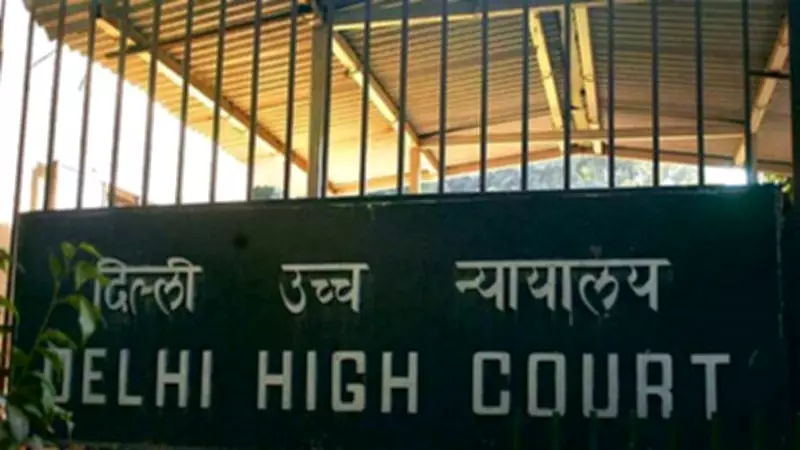
Delhi High Court Recognizes Stateless Tibetan Woman as Indian Citizen, Orders Passport Issuance
In a significant ruling, the Delhi High Court has declared that a stateless Tibetan woman, born in India, qualifies as a citizen of India by birth under the Citizenship Act and is entitled to an Indian passport. The court rejected the Ministry of External Affairs' claim that her status as a Tibetan refugee amounted to voluntary renunciation of Indian citizenship.
Background of the Case
Yangchen Drakmargyapon was born in Dharamshala in 1966 and has been living in Switzerland as a stateless person since 2014. Her eldest son was born in Darjeeling in 1995. With no valid travel documents, she approached the Delhi High Court in 2024 through her counsel, Sanjay Vashisht, seeking direction for the issuance of an Indian passport based on her citizenship by birth.
The urgency of her petition was heightened by the demise of her husband, who wished for his ashes to be put to rest in India. Yangchen argued that her lack of travel documents prevented her from fulfilling this wish and left her effectively stateless.
Court's Ruling and Legal Reasoning
Justice Sachin Datta, in an order made public, found that Yangchen squarely satisfies the requirement of Section 3(1)(a) of the Citizenship Act, as she was born in India between January 26, 1950, and July 1, 1987. The court relied on past judicial precedents where Tibetan refugees born in India within these dates were recognized as Indian citizens.
The court held that the MEA's argument regarding voluntary renunciation was misconceived. Justice Datta observed that Yangchen had not undergone the prescribed process for renouncing Indian citizenship, which involves a formal declaration registered by the appropriate authority. Furthermore, the court noted that she had not acquired citizenship of another country, and the issuance of a temporary travel document by Swiss authorities did not equate to voluntary acquisition of foreign citizenship.
MEA's Opposition and Future Challenges
The Ministry of External Affairs opposed Yangchen's petition, contending that Tibetan nationals and their children born in India, once registered as refugees with identity certificates, have voluntarily renounced Indian citizenship. The MEA argued that such individuals could only obtain Indian citizenship through naturalization or registration.
Additionally, the MEA revealed plans to challenge a series of Delhi High Court orders dating back to 2010, which have ruled in favor of Tibetan refugees being recognized as Indian nationals. This indicates ongoing legal tensions regarding the citizenship status of Tibetan refugees in India.
Implications and Broader Context
This ruling underscores the judiciary's role in interpreting citizenship laws and protecting the rights of stateless individuals. It highlights:
- The legal recognition of birthright citizenship for Tibetan refugees born in India within specific timelines.
- The rejection of blanket claims of voluntary renunciation without due process.
- The humanitarian considerations in cases involving stateless persons and their ability to travel for personal or familial reasons.
The decision may set a precedent for similar cases and influence future policies regarding Tibetan refugees and citizenship matters in India. As the MEA plans to appeal, this legal battle is likely to continue, reflecting broader debates on nationality, refugee rights, and administrative procedures.