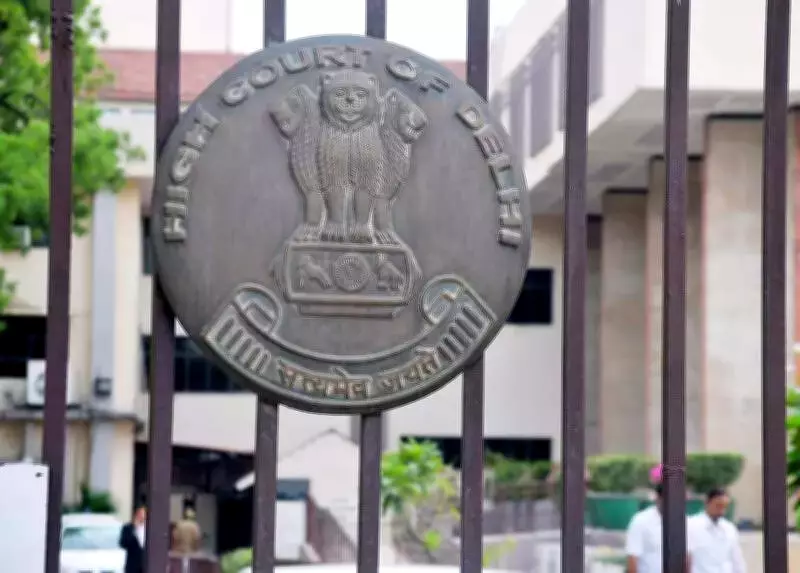
Delhi High Court Rejects Bail for Gig Worker in Metro Cable Theft Case
The Delhi High Court has firmly dismissed the bail application of a gig worker accused of stealing a 32-metre copper cable from a metro line, emphasizing that his actions placed the life and limb of the public in utter danger. In a recent order, the court refused to grant relief to the accused, stating he played with the lives of the general public and highlighted his status as a habitual offender.
Court's Stern Observations on Public Safety
Justice Saurabh Banerjee of the Delhi High Court noted that the accused did not merely engage in some foolhardy antics but acted in a manner that posed a significant threat to public safety. The court observed, While granting bail, this court must take into cognisance the public good versus the private good involved herein. The applicant herein is guilty of playing with the lives of the general public. This underscores the judiciary's priority in balancing individual rights with broader societal security concerns.
Details of the Theft Incident and Arrest
According to police reports, the accused, a delivery boy for a food delivery app, was apprehended in Punjabi Bagh with the stolen copper cable. The theft was reported by Traction Power Control on the intervening night of June 29 and 30, 2025. Since his arrest, the individual, identified as Shivam, has been in judicial custody. The police have filed FIRs against him for multiple offences, including:
- Theft of the copper cable
- Obstructing the running of a train
- Maliciously wrecking a train
- Causing sabotage and damage to metro railway properties
Authorities strongly opposed the bail plea, informing the court that the accused is a habitual offender with a significant criminal record, aiming to establish a deterrent effect for such crimes.
Broader Implications and Context
This case highlights the serious consequences of tampering with critical infrastructure like metro systems, which are vital for urban mobility and safety. The court's decision reflects a growing judicial trend to prioritize public welfare in bail considerations, especially in cases involving potential harm to community well-being. It also sheds light on the challenges faced by gig workers, though the court's focus remained squarely on the criminal act and its risks.
In related developments, Delhi has been grappling with issues such as parliamentary clashes, symbolic protests by political figures like Mamata Banerjee, foggy conditions, poor air quality, and initiatives for migrant education, underscoring the city's complex socio-political landscape.