A tragic incident has shaken the legal community in the national capital after a 37-year-old employee of the Saket District Court died by suicide at his residence in Delhi. The man, identified as Ankit Sharma, was found deceased on the morning of Wednesday, March 12. A suicide note recovered from the scene pointed directly to immense work-related stress as the reason for his extreme step.
Details of the Tragic Incident
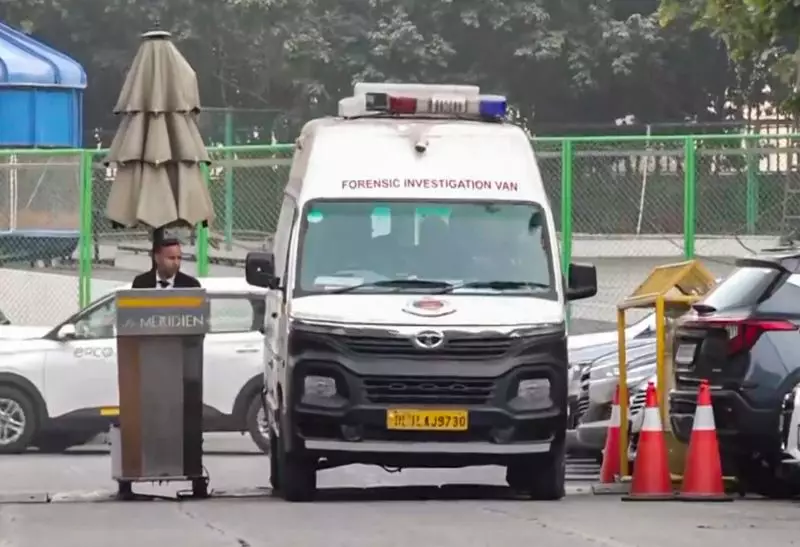
The incident came to light when Ankit Sharma's family discovered his body at their home in Pushpanjali Enclave, located in the Vikaspuri area of West Delhi. He was employed as a Reader at the Saket District Court, a position that involves significant administrative and clerical responsibilities in the judicial process. Upon being alerted, local police from the Vikaspuri police station immediately reached the location.
During the initial investigation, officers found a handwritten note. In this note, Sharma explicitly stated that he was taking his own life due to extreme pressure and stress related to his job. He reportedly held no one else responsible for his decision, placing the blame squarely on the overwhelming nature of his work. The body was subsequently sent for a post-mortem examination to determine the exact cause of death.

Colleagues Highlight Overburdening Workload
Following the news of his death, colleagues and acquaintances from the Saket court complex expressed shock and grief. Many came forward to corroborate the claims made in the suicide note, describing Ankit Sharma as a quiet and sincere employee who had been struggling with a heavy workload for some time.
Fellow staff members indicated that the pressure on court employees, including readers, has been steadily increasing. They often face long hours, tight deadlines for processing legal documents, and the immense responsibility of managing court records without error. This incident has sparked conversations about the mental health and working conditions of non-judicial staff within the district court system, who are crucial to its functioning yet often operate under intense stress.
Police Investigation and Official Response
The Delhi Police have registered a case and are conducting a thorough investigation into the circumstances leading to the suicide. While the note is a central piece of evidence, officials are also speaking to his family, friends, and colleagues to build a complete picture of the events and the pressures he faced.
A senior police officer confirmed that the suicide note clearly mentions work pressure as the motive. The investigation will also look into his specific duties, any recent incidents at the workplace, and his overall state of mind in the days preceding the tragedy. The court administration is likely to be approached as part of this probe to understand the general work environment.
This unfortunate event highlights a critical, often overlooked issue within the judicial infrastructure. It raises urgent questions about the need for institutional support systems, workload management, and mental health resources for the thousands of employees who keep India's courts running. The loss of Ankit Sharma is not just a personal tragedy for his family but a stark reminder of the human cost of unmanaged workplace stress.