Hidden Sodium in Everyday Foods: The Silent Threat to Blood Pressure and How to Fight Back
Salt is often viewed merely as a flavor enhancer—a pinch more can make a meal satisfying, while less might seem bland. However, this everyday habit conceals a significant health concern. Across urban India, hypertension cases are rising steadily, with diet playing a crucial role. Many people overlook that the salt shaker on the table is not the primary culprit. The real danger lies in everyday foods that rarely taste "salty" but quietly push sodium intake far beyond safe limits, posing a silent threat to cardiovascular health.
Why Salt Affects Blood Pressure More Than You Realize
Salt contains sodium, which directly influences the body's water balance. When sodium intake increases, the body retains more water to maintain equilibrium. This elevates blood volume flowing through vessels, leading to higher pressure against artery walls. Over time, this constant pressure can damage blood vessels and force the heart to work harder, transforming a simple dietary habit into a long-term health risk.
As Ms. Ginni Kalra, Head of Dietetics at Aakash Healthcare, explains, "High salt intake is a major problem and a key contributor to rising cases of High Blood Pressure. This is especially true in urban areas where processed and packaged foods are commonly consumed."

The Hidden Salt in Common Foods
Many individuals believe they consume minimal salt by avoiding extra additions at the table. Yet, most sodium originates from packaged and processed items. Ms. Kalra highlights this clearly: "Most people think it's the salt they add at the table. Foods like chips, instant noodles, pickles, processed meats, bakery items, and even sauces contain hidden sodium. This can quickly exceed the limits recommended by the World Health Organization."
These foods are staples in daily routines—a quick snack, a ready meal, or a side of pickle can accumulate rapidly. The trickiness lies in their often mild salty taste, allowing intake to go unnoticed while contributing significantly to health risks.
What Happens Inside the Body When Sodium Levels Rise
The impact of high sodium is not immediate, which is why it frequently goes ignored. However, the process is steady and measurable. Ms. Kalra details, "High sodium levels can cause water retention, increasing blood volume and putting strain on blood vessels. This ultimately raises blood pressure."
Over time, this can lead to stiff arteries, reduced elasticity, and heightened risks of heart disease, stroke, and kidney problems. The body adapts silently, but the damage continues unabated.
How Much Salt Is Actually Safe?
The World Health Organization recommends less than 5 grams of salt per day, roughly equivalent to one teaspoon. This includes all sources, not just what is added during cooking. In India, studies by the Indian Council of Medical Research (ICMR) have emphasized that average salt intake often surpasses these recommended levels. The gap between recommended and actual intake marks the beginning of the problem, underscoring the need for greater awareness and action.
Small Changes That Can Yield Big Results
Reducing salt does not mean sacrificing taste; it involves becoming more mindful of daily meal choices. Ms. Kalra suggests practical steps: "People should aim to limit salt intake to less than 5 grams per day. They should read food labels carefully and opt for home-cooked meals whenever possible."
Simple shifts can be highly effective:
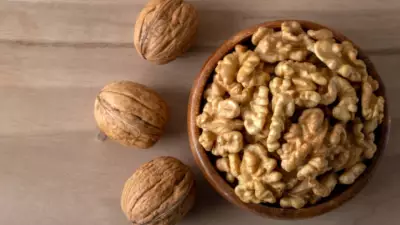
- Replace packaged snacks with fresh fruits or nuts.
- Use herbs, lemon, and spices instead of extra salt for flavor.
- Limit pickles and sauces to occasional use.
- Choose fresh, home-cooked meals over ready-to-eat options.
She adds, "Small changes can make a significant difference. Using herbs instead of salt for flavor and avoiding processed foods can substantially reduce long-term cardiovascular risks."

Why Urban Lifestyles Exacerbate the Problem
City living often brings time pressures, with long work hours, quick meals, and reliance on convenience foods becoming the norm. These habits increase sodium intake without much thought. Frequent dining out adds another layer, as restaurant meals tend to use more salt for taste and preservation. Over time, this builds a pattern that is hard to notice but easy to measure through rising blood pressure readings.
A Shift in Mindset, Not Just Diet
Reducing salt is not about restriction but about awareness and balance. As public health experts note, prevention begins in the kitchen, not the clinic. Even small, consistent changes can lower blood pressure and diminish long-term risks. The goal is not perfection but consistency—choosing fresh over packaged and mindful over convenient can lead to meaningful health outcomes.
Medical experts consulted: This article includes expert inputs shared with TOI Health by Ms. Ginni Kalra, Head of Dietetics at Aakash Healthcare. Inputs were used to explain how high salt intake from everyday foods can increase hypertension risk and what dietary changes can help reduce sodium consumption and protect heart health.