Maharashtra's LPG Crisis Hits Hospitality, Triggers Tomato Price Crash
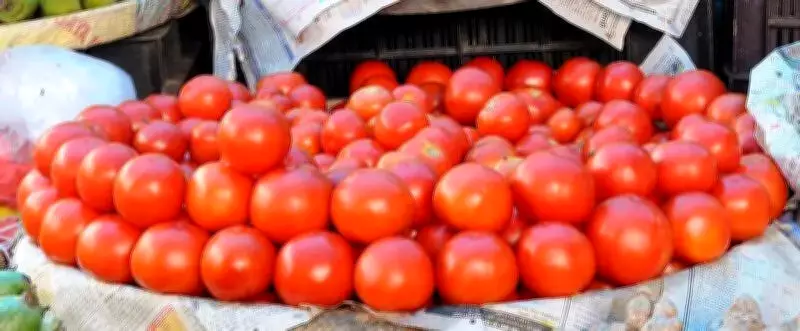
A persistent and severe shortage of commercial cooking gas across Maharashtra has forced the hospitality sector to drastically scale down its operations, leading to a sharp reduction in bulk purchases of tomatoes. This sudden drop in institutional demand has plunged farmers into deep distress, with many unable to recover even half of their production costs.
Plummeting Tomato Prices and Market Disruption
In just a few weeks, wholesale tomato prices have plummeted from Rs 25–30 per kg to a meager Rs 10–15 per kg. The hotel industry, one of the largest consumers of tomatoes, has been severely impacted by the erratic gas supply. Many kitchens are not operating at full capacity, resulting in a sharp decline in bulk orders.
Akshay Shinde, a trader at the Narayangaon wholesale market, one of the state's largest tomato hubs, explained, "With the gas supply becoming erratic, many kitchens are simply not operating at full capacity. This has led to a sharp drop in bulk purchases."

Hospitality Sector Struggles and Agricultural Fallout
Industry players report that the scarcity of commercial LPG cylinders has disrupted daily operations, forcing many hotels, restaurants, and small eateries to either limit their menus or temporarily shut down. This disruption has directly hit the agricultural market, specifically for tomatoes—a staple in Indian commercial kitchens.
Sharad Gongade, secretary of the Narayangaon APMC, expressed grave concern over the rising surplus. "We are seeing arrivals of over 11,000 crates daily, with each crate weighing 20 kg, from various districts. If the situation does not normalize soon, there is no scope for price recovery. This is becoming a massive crisis for growers," Gongade stated.
Farmers Face Unsustainable Losses
For growers in key producing belts like Narayangaon and Junnar, the timing of this price crash is disastrous. Farmers were already grappling with high yields and excess arrivals; the withdrawal of their primary institutional buyers has made the situation unsustainable.
One local farmer lamented, "Earlier, a large portion of our produce went to hotels and caterers. Now, those orders have dried up. Even with prices this low, there are simply no buyers. We won't be able to recover our capital, which will ruin our planning for the upcoming kharif season."
In many cases, the current market rates do not even cover the cost of transportation to the market, leading some farmers to consider abandoning their harvests entirely.
Small Businesses Hit Hardest
Small eateries and roadside vendors have been hit the hardest by this crisis. To cope with the gas shortage, many have reduced their operating hours or shifted to "limited menus" that require less fuel, further driving down the demand for fresh produce.
Shekhar Pansare, a restaurant owner in Chakan, highlighted the challenges, saying, "Commercial kitchens depend entirely on LPG. Any shortage directly affects our ability to function. We are facing the double blow of rising operational costs and falling business."
Experts Warn of Fragile Supply Chain
Agriculture experts say this crisis highlights the delicate link between urban consumption and rural production. A senior agriculture official noted, "This situation underscores how fragile the supply chain is. A disruption in the energy sector has cascaded into the hospitality sector and, ultimately, into the pockets of the farmers, amplifying economic stress across the entire state."
The ongoing LPG shortage in Maharashtra not only cripples the hospitality industry but also devastates tomato farmers, creating a ripple effect that threatens the state's economic stability and food supply chain.