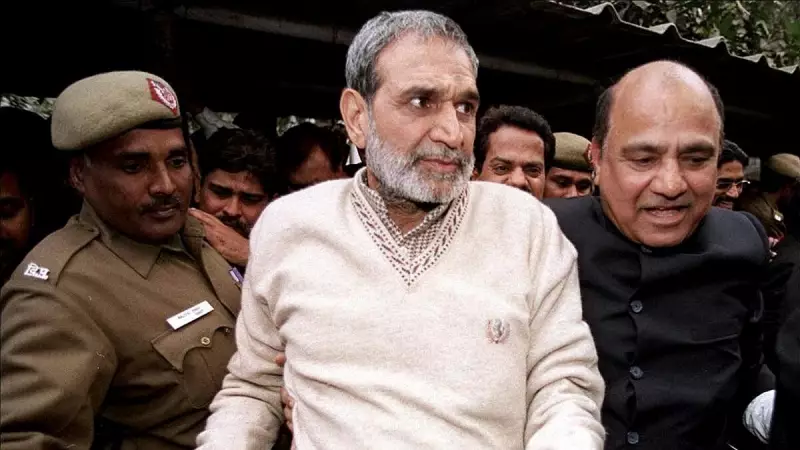
A court in Delhi has concluded its hearings and will now deliver a crucial order on January 22 concerning Congress leader Sajjan Kumar's alleged involvement in the 1984 anti-Sikh riots. The cases stem from two separate First Information Reports (FIRs) filed against him nearly a decade ago.
The Legal Proceedings and Court's Decision
After hearing arguments from all sides, the judge decided to reserve the order. This means the court will take time to consider the evidence and legal submissions before announcing its decision on January 22. The proceedings are a significant step in the long-pursued legal battles surrounding the communal violence that followed the assassination of Prime Minister Indira Gandhi.
Origin of the Cases: The 2015 FIRs
The current legal action is based on investigations initiated by a Special Investigation Team (SIT) in February 2015. The SIT had registered two separate FIRs against Sajjan Kumar based on specific complaints of violence that occurred in the capital during the riots.

The complaints detailed incidents of violence in two areas of West Delhi: Janakpuri and Vikaspuri. These FIRs provided the foundation for the fresh scrutiny of Kumar's role, leading to the present court proceedings.
A Long Wait for Justice
The 1984 anti-Sikh riots remain one of the darkest chapters in India's history, with thousands killed in Delhi and other parts of the country. For decades, survivors and victims' families have sought accountability and justice. The court's upcoming order on January 22 is being closely watched as a pivotal moment in these protracted cases. The legal outcome will determine the next course of action regarding the allegations against the veteran politician.
The path to this point has been long, marked by numerous investigations and legal hurdles. The formation of the SIT and its subsequent FIRs represented a renewed effort to address the grievances that had persisted for over three decades.