Centre Tells Supreme Court: Sonam Wangchuk Receiving Fair Treatment Under NSA
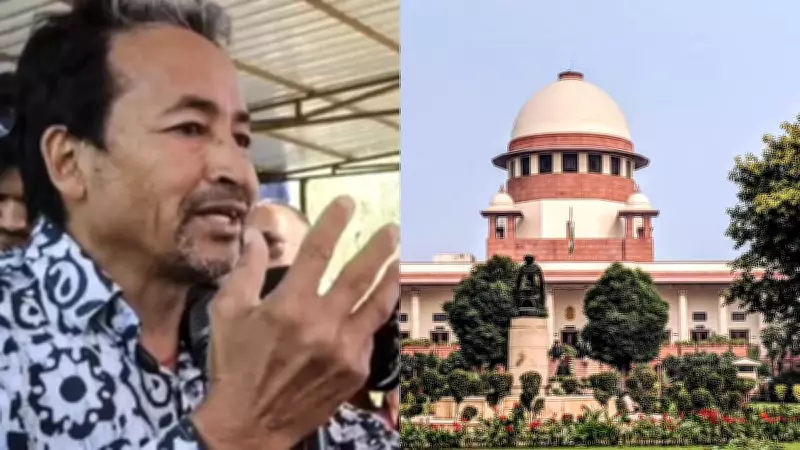
The Central government has informed the Supreme Court that Ladakh activist and innovator Sonam Wangchuk is being given fair treatment under the National Security Act (NSA), with all established procedures being meticulously followed. This statement came during a crucial hearing before a bench comprising Justices Aravind Kumar and Prasanna B Varale.
Solicitor General's Argument on NSA Powers
Solicitor General Tushar Mehta, representing the Centre, presented arguments before the bench, emphasizing the nature of powers granted under the National Security Act. He contended that, keeping in view the specific nature of the authority vested by the NSA, a certain degree of leeway is appropriately given to the statutory authority responsible for its implementation.
This legal position underscores the government's stance that the procedures followed in Wangchuk's case are within the framework of the law, acknowledging the discretionary powers that come with national security legislation. The submission aims to address concerns regarding the activist's detention and treatment under the stringent act.

Context of Sonam Wangchuk's Case
Sonam Wangchuk, renowned for his educational reforms and environmental activism in Ladakh, has been a prominent figure advocating for the region's rights and ecological preservation. His detention under the National Security Act has drawn significant attention and raised questions about the application of such laws.
The Centre's assurance to the Supreme Court highlights the ongoing legal scrutiny of this high-profile case, balancing national security considerations with individual rights. The hearing reflects the judiciary's role in examining the procedural adherence in matters involving preventive detention laws.
Key Points from the Court Proceedings:- The Centre affirmed that all procedural requirements under the NSA are being followed in Wangchuk's case.
- Solicitor General Tushar Mehta argued for statutory leeway in NSA implementation.
- The Supreme Court bench is overseeing the legal challenges related to the activist's detention.
This development marks a significant moment in the intersection of activism, national security law, and judicial oversight in India, with implications for similar cases across the country.