Bombay High Court Firm on Parole Escort Charges for Abu Salem
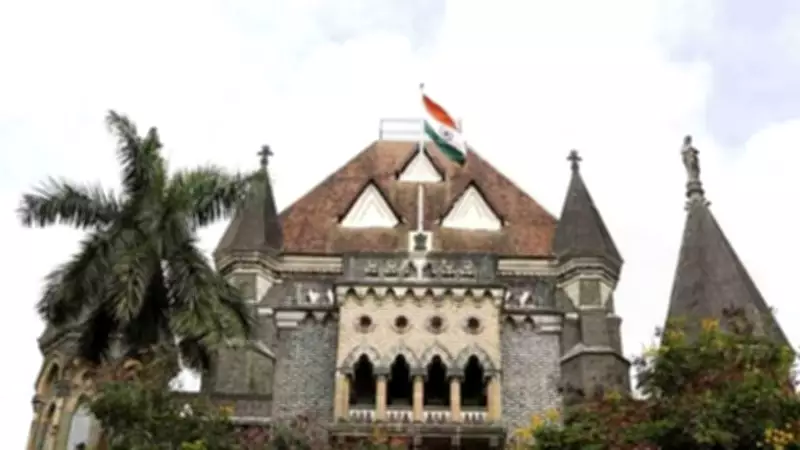
The Bombay High Court has taken a stern stance in the case of Abu Salem, the convicted 1993 Mumbai blasts accused, regarding his plea for emergency parole. The court has made it clear that there is no room for bargaining when it comes to the payment of escort charges for parole.
Court's Direct Statement on Payment Obligations
During a hearing on Tuesday, the High Court bench, comprising Justices Ajey S Gadkari and Shyam C Chandak, addressed Salem's lawyer, advocate Farhana Shah. The court orally stated, "The state charges you have to pay. Don't go (on parole), if you cannot pay. This is not question of bargaining. It is for the state machinery to decide." This statement came in response to Shah's arguments that Salem is financially unable to cover the high escort charges.
Background of the Parole Plea and Escort Charges
Abu Salem, who was extradited from Portugal in 2005 and convicted in the 1993 blasts case in September 2017, sought emergency parole citing the death of his elder brother, Abu Hakim Ansari, in November last year. The state government's prison authorities had proposed that Salem could be released on a two-day parole with police escort to visit Saraimir village in Uttar Pradesh's Azamgarh district, which is considered a communally sensitive area.

However, the estimated escort charges have become a major point of contention. Shah informed the court that Salem cannot pay beyond Rs. 1 lakh, while the estimated charges are nearly Rs. 17.76 lakh. She argued that Salem's financial situation, due to years in custody, makes it impossible for him to afford such high costs.
Previous Instances and Current Proceedings
Shah also highlighted that Salem was previously allowed to visit his native place in Azamgarh district in 2007 to attend his mother's funeral without any demand for payment of escort charges. She claimed that while 25 police personnel are proposed for escort, Salem might only need 10, suggesting the charges are inflated.
The High Court had earlier, on January 28, sought a response from Shah on whether Salem can pay the escort charges if granted a four-day parole. In Tuesday's hearing, the court asked Shah to take further instructions from Salem on whether he wishes to withdraw the plea since he is unable to pay. The court is set to pass appropriate orders on Thursday, February 5.
Key Points from the Hearing
- The Bombay High Court emphasizes that escort charges for parole are non-negotiable and must be paid by the petitioner.
- Abu Salem's plea for emergency parole is based on his brother's death, but financial constraints are hindering the process.
- The state authorities have set strict conditions, including escort to a sensitive area, with charges estimated at nearly Rs. 17.76 lakh.
- The court's stance reflects a broader principle that parole privileges come with financial responsibilities as determined by the state.
This case underscores the complex interplay between legal rights and financial obligations in the Indian judicial system, particularly for high-profile convicts seeking temporary release. The outcome of Thursday's hearing will be closely watched, as it could set a precedent for similar parole requests in the future.