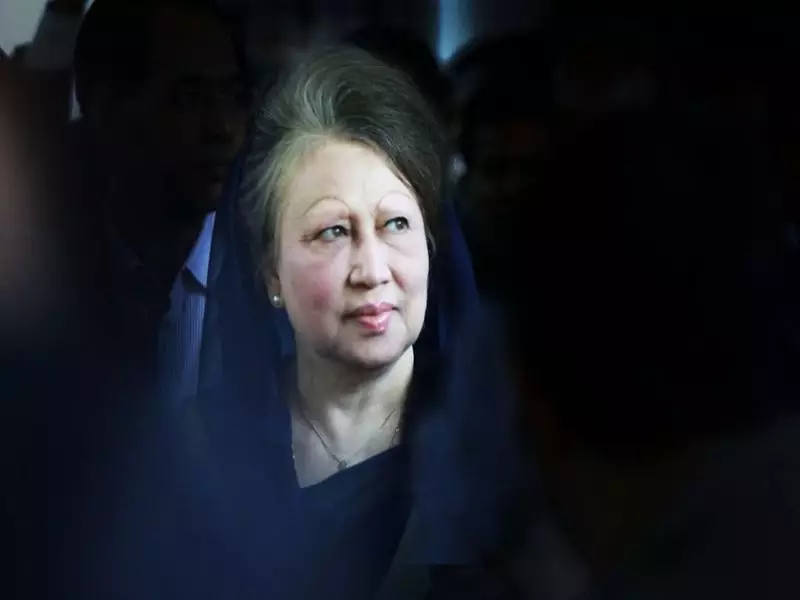
The political landscape of Bangladesh was plunged into mourning following the death of Khaleda Zia, the former Prime Minister and chairperson of the Bangladesh Nationalist Party (BNP). Senior party leaders have described her passing as a great setback and a massive loss to society and the country.
A Nation Mourns a Political Icon
The news of Khaleda Zia's demise sent shockwaves through the nation. A towering figure in Bangladeshi politics for decades, Zia served as the country's first woman Prime Minister, holding the office from 1991 to 1996 and again from 2001 to 2006. Her leadership of the BNP, one of the two major political forces in Bangladesh, cemented her status as a central figure in the nation's often tumultuous democratic journey.
Senior BNP leaders were quick to express their profound sorrow and sense of irreplaceable loss. They emphasized that her death was not just a blow to the party but to the entire fabric of Bangladeshi society. Her long career was marked by significant political battles, periods of governance, and later, legal challenges and incarceration.

Leaders and Family Express Profound Grief
The grief within the BNP ranks was palpable. Leaders reflected on her enduring legacy as a champion for democracy and the people of Bangladesh. Her passing leaves a significant void at the helm of the party, which has faced considerable pressure from the current government in recent years.
Her son, Tarique Rahman, who serves as the acting chairman of the BNP from exile in London, is expected to play a crucial role in the party's future direction. The family, along with millions of supporters, is grappling with the loss of a matriarch and a political guide. The condolences poured in from various quarters, highlighting her impact beyond partisan lines, though the deepest expressions of loss emanated from her party cadre and loyalists.
Legacy and the Road Ahead for BNP
Khaleda Zia's death marks the end of a major chapter in Bangladesh's political history. Her rivalry with Sheikh Hasina of the Awami League defined much of the country's contemporary politics. Analysts suggest her absence will inevitably lead to a period of transition and potential reconfiguration within the BNP.
The immediate challenge for the party will be to navigate this loss while maintaining its cohesion and political relevance. The leadership, likely steered by Tarique Rahman, will need to consolidate the party's base and strategize for the future electoral landscape without its most iconic leader. Her legacy as a formidable opposition leader and a symbol of a significant political ideology will continue to influence Bangladeshi politics for years to come.
As Bangladesh mourns, the focus shifts to her final rites and the enduring political vacuum her death has created. The BNP's description of this event as a massive loss to society and the country underscores the deep and complex role Khaleda Zia played in the nation's narrative.