Mumbai Court Grants Bail to Businessman in High-Profile Digital Arrest Scam
A Mumbai sessions court has granted bail to Aurangabad-based businessman Chisti Ahteshamuddin, who stands accused in a massive Rs 58.1 crore fake "digital arrest" scam. The court's decision was based on the anticipated lengthy duration of the trial and the inability to justify prolonged detention during this uncertain period.
Details of the Elaborate Cyber Fraud Case
The case originated from a complaint filed by a senior citizen who fell victim to sophisticated cyber fraudsters. These criminals impersonated officials from the Telecom Regulatory Authority of India (TRAI) and the Central Bureau of Investigation (CBI). They falsely accused the victim of illegal activities and subjected him to what they termed a "digital arrest." Under threats of severe legal consequences, the senior citizen was coerced into transferring a staggering Rs 58.1 crore to multiple bank accounts controlled by the fraudsters.
Court's Reasoning and Examination of Evidence
Additional Sessions Judge Nitin V. Jiwane, while delivering the bail order, provided detailed reasoning. "After thoroughly examining the allegations against the applicant and considering the arguments presented along with the documented evidence, it becomes apparent that there were legitimate business transactions between the applicant and the absconding accused, Riyaz Rabbani," the judge stated.

The court noted that WhatsApp chats and emails submitted by the defense corroborated Chisti's claim regarding pre-existing business dealings. "Therefore, at this preliminary stage of the proceedings, it cannot be conclusively determined that the funds received in the applicant's bank account were not part of a genuine business transaction," Judge Jiwane added, emphasizing the need for further investigation.
Defense Arguments and Legal Strategy
Chisti's legal representative, advocate Mobin Solkar, mounted a robust defense. He argued that the financial transactions in question were directly linked to authentic business operations with the primary accused, Riyaz Rabbani. According to Solkar, Rabbani owed Chisti money as part of an investment repayment arrangement.
To substantiate this claim, the defense presented a comprehensive array of evidence, including detailed WhatsApp conversations, email correspondences, and thorough financial records. These documents were intended to demonstrate that the monetary transfers were legitimate repayments rather than proceeds from fraudulent activities.
Broader Investigation and Case Status
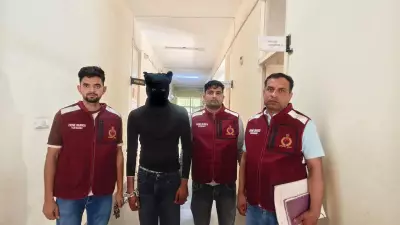
This case represents a significant cyber fraud investigation, with law enforcement agencies having arrested 33 individuals so far. The accused include businessmen from Mumbai, Gujarat, and Aurangabad, indicating the widespread nature of the criminal network. Authorities have already filed a chargesheet in the matter, marking a crucial step in the legal process.
The "digital arrest" scam highlights growing concerns about sophisticated cybercrime techniques targeting vulnerable individuals. The impersonation of high-profile government agencies like TRAI and CBI adds a layer of credibility that makes such scams particularly effective and dangerous.
As the legal proceedings continue, this bail decision underscores the judicial system's careful balancing act between ensuring justice and protecting individual rights during lengthy trial processes. The case remains under active investigation, with further developments expected as more evidence comes to light.