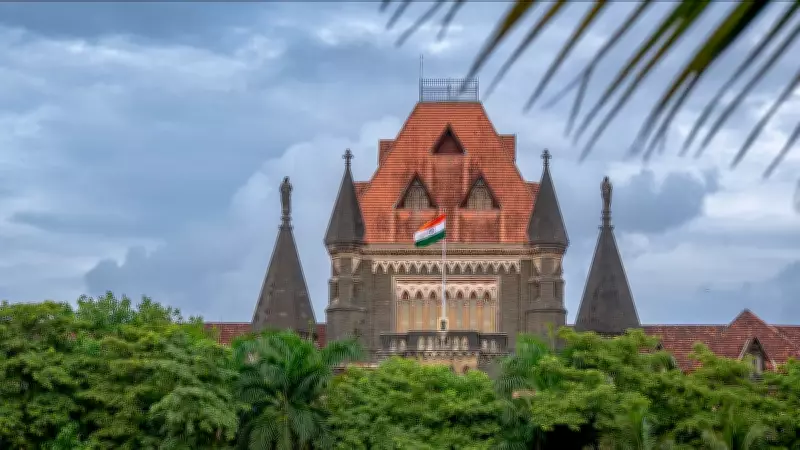
The Archaeological Survey of India (ASI) has formally communicated to the Bombay High Court that Savarkar Sadan, a structure of notable historical importance, cannot be granted central protection under existing heritage laws. This decision stems from the building's age, which falls short of the mandatory century-old threshold required for such designation.
Key Reasons Behind ASI's Decision
In a detailed affidavit submitted to the court, the ASI clarified that while Savarkar Sadan holds significant value, it was originally constructed in 1938. This places it at approximately 88 years old as of 2026, well below the 100-year benchmark that typically qualifies buildings for central protection status in India. The agency emphasized that this age criterion is a fundamental aspect of heritage conservation protocols.
Architectural Details of Savarkar Sadan
The affidavit provided specific architectural insights into the building's original design. Savarkar Sadan was initially built as a ground-plus-one bungalow, featuring a modest yet functional layout. On the ground floor, the structure included three separate flats, while the first floor accommodated two additional flats. This configuration reflects the residential architectural styles prevalent in the late 1930s, blending practicality with the era's aesthetic sensibilities.

Implications for Heritage Conservation
This case highlights the ongoing challenges in balancing historical preservation with regulatory frameworks. The ASI's stance underscores the strict adherence to age-based criteria, even for buildings deemed "significantly important" due to their cultural or historical associations. It raises questions about whether alternative protection mechanisms might be necessary for structures that are historically valuable but do not meet the century mark.
The Bombay High Court is now tasked with considering this input as part of broader deliberations on the building's future. The outcome could set a precedent for how similar cases are handled across India, particularly for buildings linked to prominent historical figures or events that fall just short of the age requirement.