Allahabad High Court Issues Firm Directive on Chinese Manjha Ban
The Allahabad High Court has taken a strong stance on public safety during the popular kite flying season. A two-judge bench delivered clear instructions to the Uttar Pradesh government. The court demands immediate enforcement of the prohibition against Chinese manjha.
Court Bench Delivers Unambiguous Ruling
Chief Justice Arun Bhansali and Justice Kshitij Shailendra formed the bench hearing this important matter. Both judges emphasized the government's responsibility. They stated that authorities must comply with directions already issued by the court. The bench left no room for ambiguity in its pronouncement.
Timing Coincides with Peak Kite Flying Activity
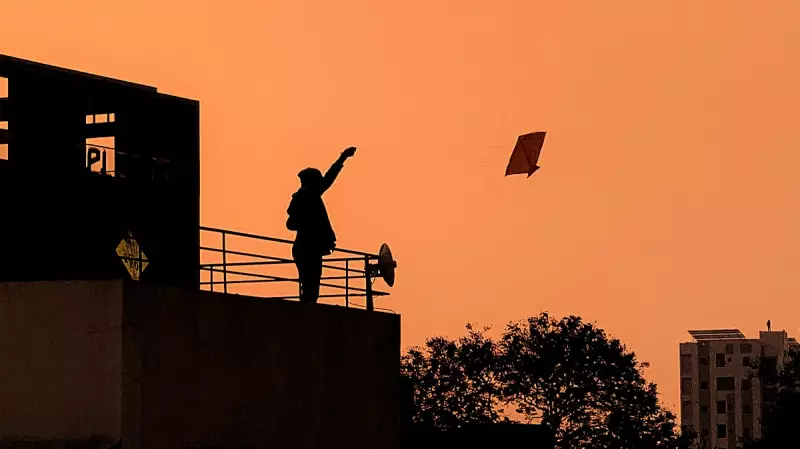
This judicial intervention comes at a crucial time. The kite flying season is currently at its peak across many parts of Uttar Pradesh. Traditional festivities often involve extensive kite flying activities. The court recognizes the heightened risks during this period.

Chinese Manjha Poses Serious Safety Threats
Chinese manjha refers to specially coated kite strings. These strings contain sharp materials like glass or metal particles. They create significant dangers for both humans and animals. The reinforced cutting ability causes severe injuries. Birds frequently suffer fatal wounds from these strings. Even people face serious harm from accidental contact.
The court's concern extends beyond immediate physical danger. Environmental damage represents another critical issue. Non-biodegradable materials in these strings pollute ecosystems. They create long-term hazards for wildlife and natural habitats.
Government Must Implement Existing Directives
The High Court specifically referenced previous judicial instructions. Authorities received clear guidelines about enforcing the ban. The current ruling reinforces those earlier directions. The government now faces increased pressure to demonstrate compliance.
Effective enforcement requires coordinated action across multiple departments. Police authorities need to monitor kite flying areas regularly. Municipal corporations must ensure vendors do not sell prohibited materials. Public awareness campaigns should educate communities about the dangers.
Broader Implications for Public Safety
This case highlights the judiciary's proactive approach to public welfare. Courts increasingly intervene when government action appears insufficient. The ruling establishes an important precedent for similar safety issues. Other states may follow this example during their own kite festivals.
Traditional celebrations should not compromise community safety. The court's balanced approach respects cultural practices while prioritizing protection. This decision reflects growing judicial attention to preventable public hazards.
The Uttar Pradesh government now faces a clear deadline for action. Implementation reports will likely require submission to the court. Continued judicial oversight ensures the ban receives proper enforcement. This creates accountability mechanisms for government agencies.