
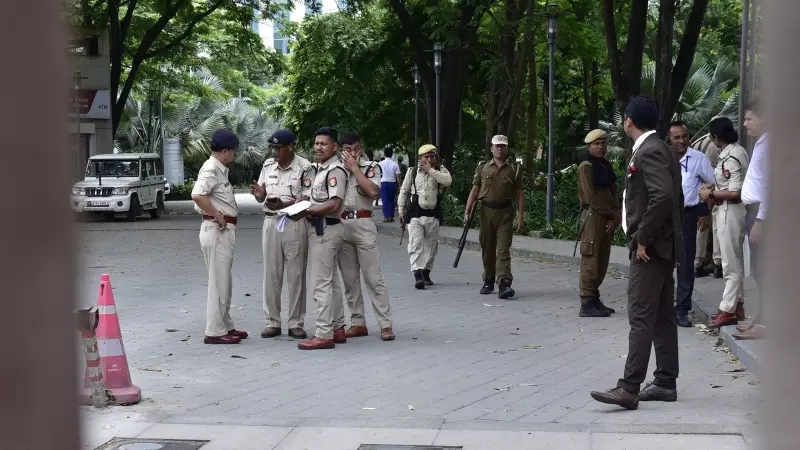
In a strong response to a horrific crime, Assam Police have arrested 20 individuals for the alleged murder and burning of a couple accused of practising witchcraft in Karbi Anglong district. The incident, which has sent shockwaves through the state, underscores the persistent challenge of superstitious violence despite stringent laws.
Gruesome Crime in Beloguri Munda Village
The victims, identified as Gardi Birowa and his wife Mira Birowa, were reportedly attacked by a group of villagers in No. 1 Beloguri Munda Village, located in the Howraghat area of Karbi Anglong. The crime occurred on December 30. According to police, the couple was murdered and their bodies subsequently burned by the mob following allegations of witchcraft.
On Saturday, January 3, the Karbi Anglong police issued a statement confirming the arrests. "A total of 20 accused persons, including 4 women, have been arrested so far. The investigation is presently underway," the statement read. Authorities emphasized that all efforts are being directed towards a thorough investigation to ensure timely justice for the victims.
Police Draw a Hard Line, Vow Zero Tolerance
Assam's Inspector General of Police (IGP) for Law & Order, Akhilesh Singh, visited the village on Saturday and delivered a stern message. He declared that the barbaric practice of witch-hunting is completely unacceptable in modern society.
"This kind of violence and persecution against people by calling them witches cannot be tolerated in any way in society," Singh stated. He assured that the case would be investigated scientifically. Highlighting the state's commitment, he referenced a recent conviction: "Just a few months back, we secured a conviction of lifetime imprisonment for a witch-hunting case in Sivasagar. We will ensure justice in this case too."
Assam's Ongoing Battle Against Superstitious Killings
Assam has a long history of confronting witch-hunting atrocities. In a significant legislative move, the state enacted The Assam Witch Hunting (Prohibition, Prevention and Protection) Act in 2018, which makes the offence specifically cognizable and non-bailable.
Official records indicate that from 2022 to 2024, a total of 32 cases were registered under this Act. The persistence of such crimes prompted the state government to notify a comprehensive 'Assam State Policy to Combat Human Trafficking and End Witch-Hunting' in May of this year.
This policy framework aims at targeted intervention with a focus on:
- Prevention through awareness programs in identified "vulnerable pockets."
- Rescue and Rehabilitation of survivors via standard operating procedures.
- Prosecution of perpetrators to ensure legal consequences.
The recent arrests in the Howraghat case represent a critical test of this policy and the state's resolve to eradicate a deep-seated social evil through stringent law enforcement and sustained community engagement.