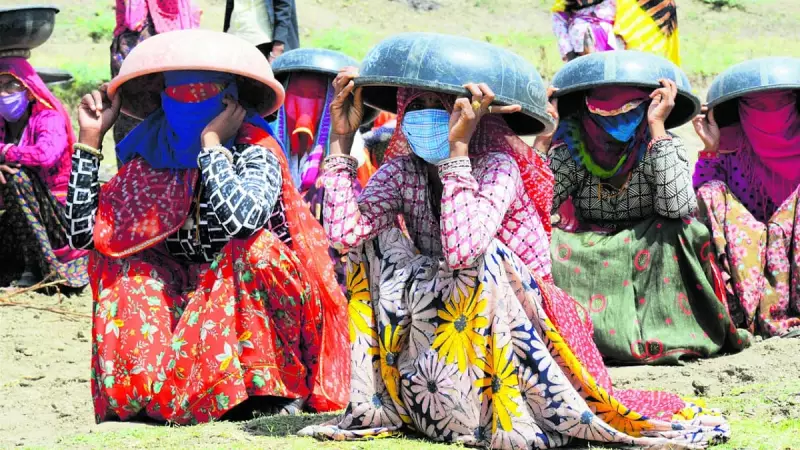
In a significant move aimed at supporting the agricultural cycle, a bill concerning the Mahatma Gandhi National Rural Employment Guarantee Act (MGNREGA) in Maharashtra has proposed a suspension of work under the scheme for up to 60 days during the peak farming season. This legislative proposal seeks to ensure the availability of labour for crucial agricultural activities when demand is at its highest.
Key Provisions of the Proposed Legislation
The bill grants the state government the authority to issue distinct notifications for different geographical areas. These areas can be as specific as districts, blocks, or even individual Gram Panchayats. The decision will be based on a variety of local factors including agro-climatic zones and established patterns of agricultural activity. Every such notification issued shall have a binding effect, mandating the halt of MGNREGA work for the specified period in the notified region.
This flexible, area-specific approach acknowledges the diverse farming calendars across Maharashtra. What constitutes the peak agricultural season in the Konkan region may differ from that in Vidarbha or Marathwada. The bill empowers local administration to align the work suspension with the actual periods of high demand for farm labour in their jurisdiction.

Rationale and Expected Impact
The primary rationale behind this proposal is to address the persistent complaint from farmers about labour shortages during critical periods like sowing and harvesting. By temporarily pausing the rural employment guarantee scheme, the government aims to channel available workforce back to farms, thereby supporting agricultural productivity and helping farmers avoid losses due to untimely operations.
Proponents argue that this measure will create a more synergistic relationship between the welfare scheme and the core agricultural economy. It is designed to prevent a situation where MGNREGA, intended as a social safety net, inadvertently creates a labour crunch for the very sector it aims to support indirectly by boosting rural incomes.
Considerations and Implementation
The success of this policy will hinge on precise identification of the peak agricultural season for each notified area. The government will need to rely on expert input from agricultural departments and local governing bodies to issue timely and accurate notifications. Furthermore, mechanisms must be in place to clearly communicate the work suspension dates to all MGNREGA job card holders in affected areas well in advance.
While the bill aims to aid farmers, it also raises questions about the guaranteed 100 days of work for rural households under MGNREGA. The administration will need to ensure that the 60-day suspension does not deprive eligible families of their entitled employment, potentially by allowing more flexible scheduling of work before or after the banned period.
The news of this legislative proposal was reported by Shemin Joy and was last updated on 15 December 2025, at 15:24 IST. As the bill moves through the legislative process, its final form and implementation guidelines will be closely watched by farmers, labour groups, and policymakers alike.