Maharashtra Government Examines New Levy on Rooftop Solar Power Generation
The Maharashtra government has initiated a significant policy review that could potentially introduce new financial charges on rooftop solar installations and self-generated electricity, which currently enjoy exemption from such levies. In a move that has raised eyebrows across the energy sector, authorities have decided to establish a dedicated committee to thoroughly examine the possibility of applying electricity duty under existing legislation.
Committee Formation and Mandate
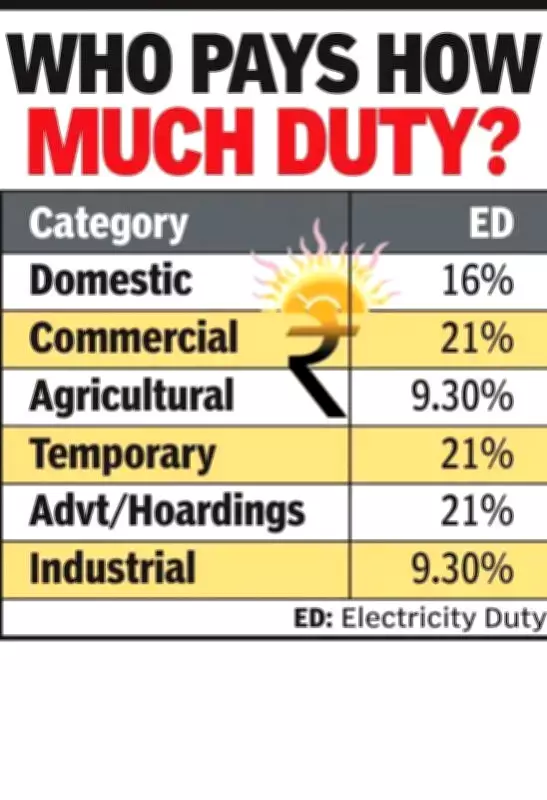
A government resolution issued on Tuesday formally announced the creation of this committee, which has been tasked with studying the applicability of electricity duty as per the Maharashtra Electricity Duty Act of 2016. The panel will specifically focus on emerging consumption models including rooftop solar systems and behind-the-meter installations that allow consumers to generate their own power.
The committee's mandate extends beyond simply examining basic duty application. It will also investigate the potential for imposing levies on grid support charges and explore transitioning from the current fixed duty rate structure to a percentage-based calculation method that would fluctuate with consumption patterns.

Regulatory Context and Industry Concerns
This governmental move follows a recent order by the Maharashtra Electricity Regulatory Commission that permitted the Maharashtra State Electricity Distribution Company Limited to implement grid support charges specifically targeting rooftop solar consumers with systems exceeding 10kW capacity. The government is now contemplating whether electricity duty should be extended to cover these additional charges as well.
Sources within MSEDCL have indicated that the newly formed panel will conduct a comprehensive review encompassing all categories of solar consumers before arriving at any definitive conclusions. The committee faces the challenging task of balancing multiple competing interests while formulating its recommendations.
Expert Warnings and Consumer Impact
Prominent solar energy expert Sudhir Budhay has characterized the proposal as "deeply troubling" and potentially damaging to Maharashtra's clean energy transition. He cautioned that imposing additional financial burdens on households, small businesses, and industrial consumers who have already invested substantial resources in renewable energy infrastructure could have far-reaching negative consequences.
"For countless households across Maharashtra, rooftop solar installations have represented a practical and effective solution for reducing electricity bills and decreasing dependence on steadily rising utility tariffs," Budhay explained. "Introducing duty on self-consumed solar power would directly erode these hard-earned savings and create significant disincentives for future adoption of renewable energy technologies."
Drawing a compelling analogy, Budhay suggested that taxing self-generated solar power would be equivalent to the government imposing charges on citizens who draw water from their own private wells—a fundamentally contradictory approach to resource management.
Committee Composition and Transparency Questions
Beyond the substantive policy concerns, Budhay has raised important questions regarding the composition of the study committee itself. He noted that the panel appears to be predominantly comprised of officials representing MSEDCL and the electrical inspectorate, with noticeable absence of independent technical experts, consumer representatives, and public stakeholders.
"This structural imbalance raises legitimate questions about neutrality and objectivity in the committee's deliberations," Budhay emphasized. "Given that electricity duty decisions directly impact state revenue streams while grid support charges primarily benefit distribution companies, it is crucial that diverse perspectives inform this important policy discussion."
He further stressed that the issue transcends mere technical considerations, affecting potentially hundreds of thousands of consumers and the broader future trajectory of distributed solar energy throughout Maharashtra. "Any final decision must be grounded in transparent analysis and incorporate meaningful consultation with all affected parties," Budhay insisted.

Broader Implications and Timeline
Government officials have clarified that the committee has been specifically instructed to examine both the financial implications and policy consequences of the proposed changes. This includes detailed assessment of potential impacts on state revenue collection and the financial stability of distribution companies operating within Maharashtra's electricity sector.
The panel will also explore possible exemption mechanisms and identify measures that might help balance the state's legitimate revenue requirements with its equally important commitment to promoting renewable energy adoption. Despite the complexity of these considerations, the committee faces an unusually tight deadline, having been asked to submit its comprehensive report within just ten days of formation.
Even as the committee begins its work, the mere proposal has already ignited vigorous debate among energy professionals, environmental advocates, consumer groups, and policy analysts regarding the future viability and attractiveness of rooftop solar installations across Maharashtra. The ultimate recommendations could significantly influence whether the state accelerates or impedes its transition toward cleaner, more distributed energy generation models in the coming years.