Government Extends LPG Cylinder Refill Waiting Period to 25 Days
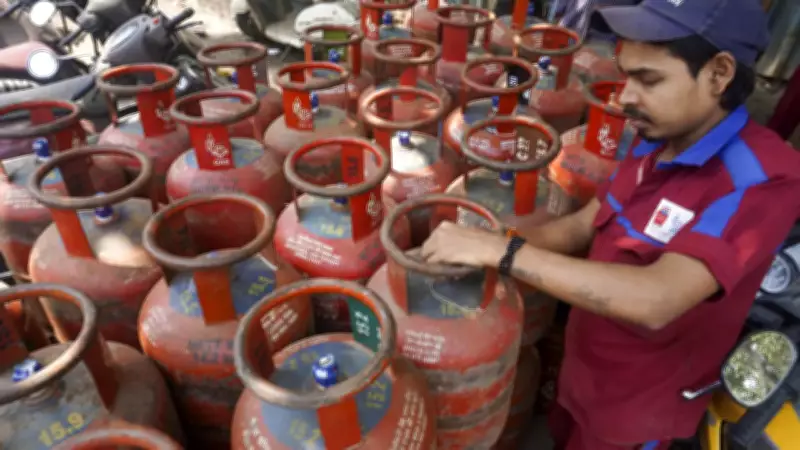
The government has implemented a significant change in the domestic LPG cylinder refill policy, increasing the minimum waiting period for booking a refill to 25 days from the previous 21 days. This decision, confirmed by government sources to news agency PTI, is designed to address concerns over hoarding and promote more equitable distribution of cooking gas across households.
Key Details of the Policy Change
The new regulation mandates that consumers must wait at least 25 days between bookings for a domestic LPG cylinder refill. This extension of four days aims to curb stockpiling practices that can lead to artificial shortages and price fluctuations in the market.
Primary Objectives Behind the Move:

- Prevent Hoarding: By lengthening the waiting period, the government seeks to discourage consumers from accumulating excessive LPG cylinders, which can disrupt supply chains.
- Ensure Equitable Distribution: The policy is intended to guarantee that cooking gas reaches all households fairly, especially during periods of high demand or supply constraints.
- Stabilize Supply: Officials hope this measure will help maintain a steady flow of LPG cylinders, reducing instances of last-minute shortages and panic buying.
Impact on Consumers and the Market
This adjustment in the refill waiting period is expected to have immediate effects on how households manage their cooking gas supplies. Consumers will need to plan their refills more carefully, considering the extended gap between bookings. The government believes this will lead to a more organized distribution system, benefiting both suppliers and end-users.
Broader Implications:
- The move aligns with ongoing efforts to streamline the domestic fuel sector and enhance transparency in LPG distribution.
- It may influence consumer behavior, encouraging more efficient usage of cooking gas and reducing wastage.
- Industry stakeholders are likely to adjust their logistics and supply strategies to accommodate the new waiting period requirements.
As the policy takes effect, authorities will monitor its implementation closely to assess its effectiveness in achieving the stated goals of preventing hoarding and ensuring equitable access to LPG cylinders for all domestic users.