Union Budget 2026-27 Champions Indigenous Seaplane Production to Enhance Tourism and Regional Air Links
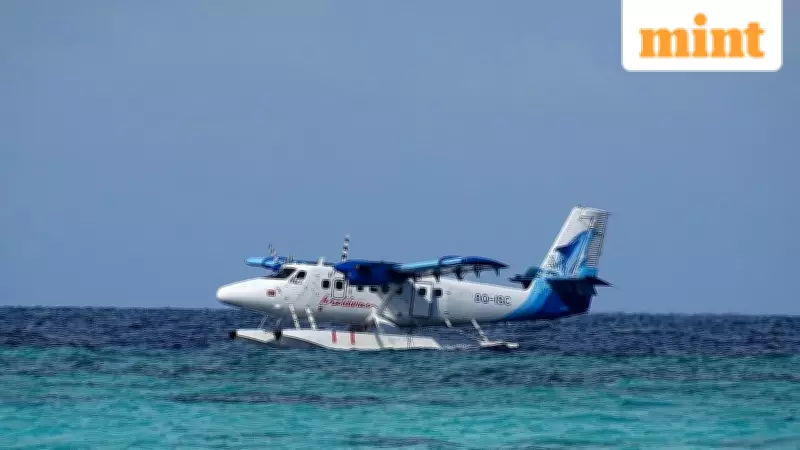
In a significant move aimed at revolutionizing India's aviation and tourism sectors, the government has announced a major push for indigenous manufacturing of seaplanes as part of the Union Budget 2026-27. Finance Minister Nirmala Sitharaman, during her budget speech on Sunday, unveiled plans to provide incentives for the domestic production of these amphibious aircraft, alongside introducing a viability gap funding (VGF) scheme to support seaplane operations.
Strategic Initiatives to Catalyze Domestic Seaplane Ecosystem
The budget proposal represents a strategic effort to boost tourism and strengthen regional air connectivity across the country. Seaplanes, which are typically small aircraft with seating capacities ranging from approximately 9 to 30 passengers, offer unique advantages for accessing remote or water-rich areas. Detailed guidelines for the proposed incentives and the VGF scheme are expected to be formally announced in the coming months, setting the stage for a new chapter in India's aviation landscape.
Aligning with UDAN Scheme and Domestic Manufacturing Goals
This initiative gains momentum against the backdrop of ongoing discussions around seaplane services under the government's flagship UDAN (Ude Desh ka Aam Naagrik) regional connectivity scheme. Currently, India lacks a large-scale domestic manufacturer of amphibious or seaplane aircraft, making this push for indigenous production particularly crucial. The move is designed to reduce dependency on imports and foster a self-reliant aviation manufacturing ecosystem within the country.

Industry Players and Government Collaborations in Focus
State-run Hindustan Aeronautics Ltd (HAL) has already signaled its commitment to this sector. At the recent Wings India 2026 aviation summit, HAL showcased its expanding civil aviation portfolio, including the H-228 Amphibian—the seaplane variant of the H-228—and other indigenous platforms aimed at enhancing regional connectivity. Furthermore, Civil Aviation Minister K. Rammohan Naidu has previously indicated that the government is exploring collaborations with Indian manufacturers such as HAL and Mahindra Aerospace to promote domestic amphibious aircraft manufacturing.
Current Seaplane Landscape and Future Prospects
In October 2025, India awarded 48 seaplane routes, with the majority located in Kerala, highlighting the potential for growth in this niche segment. Several airlines are poised to capitalize on these opportunities. Low-cost carrier SpiceJet and regional airline IndiaOne have already secured permissions to operate seaplane services, while MEHAIR (Maritime Energy Heli Air Services Pvt Ltd) has also won route permits under the UDAN scheme.
SpiceJet conducted demonstration flights in 2024 and holds approvals for 20 routes. In November 2024, the airline, led by Ajay Singh, announced plans to commence operations in 2025 on routes including Lakshadweep, Hyderabad, Guwahati, and Shillong, contingent on infrastructure readiness, though services have yet to begin. A brief seaplane service between Ahmedabad's Sabarmati Riverfront and the Statue of Unity at Kevadia in October 2020 was suspended due to the Covid-19 pandemic, underscoring the challenges and potential in this domain.
Gandhinagar-based IndiaOne is actively engaging in discussions with De Havilland Canada to induct seaplanes into its fleet. In a notable development in November 2025, De Havilland Aircraft of Canada announced at the Dubai Air Show that IndiaOne had signed a letter of intent to acquire up to 10 Twin Otter Series 300-G aircraft, signaling strong interest and investment in this emerging market.
The Budget 2026-27 proposals, therefore, not only aim to stimulate indigenous manufacturing but also to create a supportive ecosystem through financial incentives and operational support, paving the way for a robust seaplane network that could transform regional travel and tourism in India.