Government Announces Excise Duty Cut on Petrol and Diesel
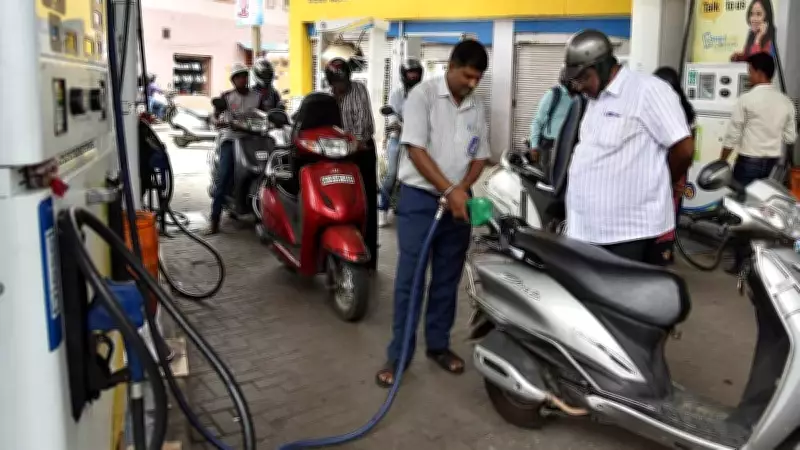
The Indian government has implemented a significant reduction in excise duty on petrol and diesel, a move aimed at providing relief to consumers amid fluctuating global oil prices. However, despite this reduction, the retail prices at fuel pumps across the country are expected to remain unchanged, leaving many to wonder about the underlying reasons.
Details of the Excise Duty Reduction
The excise duty cut applies to both petrol and diesel, with the government lowering the levy by a specific amount per litre. This adjustment is part of broader fiscal measures to manage inflation and support economic stability. Historically, excise duties on fuel have been a key revenue source for the government, and such reductions are often seen as a tool to ease the financial burden on households and businesses.
Why Pump Prices Will Not Decrease
Despite the excise duty reduction, consumers will not benefit from lower pump prices due to several concurrent factors. Firstly, the government has simultaneously increased dealer commissions, which offset the duty cut. Additionally, adjustments in value-added tax (VAT) and other local levies by state governments may also play a role in maintaining the current price levels. Moreover, global crude oil prices and exchange rate fluctuations continue to influence the final retail cost, making it challenging to pass on the full benefit of the duty cut to end-users.

Impact on Consumers and Economy
The decision to keep pump prices stable, despite the excise duty cut, has sparked mixed reactions. On one hand, it helps maintain revenue streams for dealers and state governments, ensuring operational continuity. On the other hand, consumers may feel disappointed as they do not see immediate relief in their fuel expenses. This move could also affect inflation rates and overall economic sentiment, as fuel costs are a critical component of transportation and production expenses.
Government's Rationale and Future Outlook
The government has defended its decision by emphasizing the need to balance fiscal health with consumer welfare. Officials argue that the excise duty cut, combined with other measures, is part of a holistic approach to manage the economy. Looking ahead, further adjustments in fuel pricing policies may be considered based on global market trends and domestic economic conditions. Stakeholders, including industry experts and consumers, are advised to monitor official announcements for any future changes.
In summary, while the excise duty reduction on petrol and diesel is a positive step, its impact on pump prices is neutralized by other factors, highlighting the complexities of fuel pricing in India.