

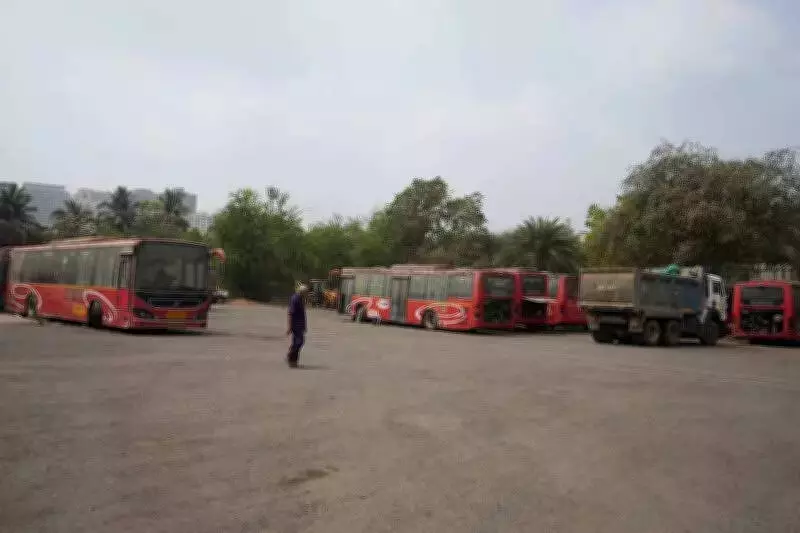
Thane Transport Administration Proposes Major Fare and Policy Overhaul
The Thane transport administration has formally requested a comprehensive review of ticket fares and a significant restructuring of the subsidies provided to senior citizens. This strategic move is aimed at bolstering the undertaking's precarious fiscal condition and ensuring long-term financial sustainability.
Addressing the Fiscal Deficit
While no formal fare hike proposal has been incorporated into the current budget, the administration has strongly advocated for this measure. The primary catalyst cited is the relentless surge in fuel prices, which has severely strained operational finances. The undertaking projects a total revenue of approximately Rs 182.2 crore from bus operations and advertisements for the upcoming fiscal year. However, to counterbalance the existing deficit, it has sought a substantial grant of Rs 538.2 crore from the Thane municipal corporation.
Proposed Fare Increase Details
A central component of the administration's proposal is a recommended bus fare increase of at least 30%. This adjustment is long overdue, as fares were last revised nearly a decade ago in 2015. Implementing this hike is estimated to generate an additional Rs 21 crore in annual revenue, providing a crucial infusion of funds into the transport system's coffers.

Restructuring Senior Citizen Travel Benefits
In a parallel initiative to improve revenue streams, the administration has called for a reevaluation of the free travel scheme for senior citizens, which was introduced in 2024. The current policy allows all individuals aged 60 years and above to travel on Thane buses without charge.
The proposed restructuring suggests levying a 50% fare for seniors between the ages of 60 and 75 years, aligning with the model adopted by the Maharashtra State Road Transport Corporation (MSRTC). This modification is projected to contribute an estimated Rs 12 crore to the annual revenue, further aiding in fiscal recovery.
Strategic Financial Planning
These proposals represent a calculated effort to navigate the financial challenges posed by escalating operational costs, particularly fuel. The administration emphasizes that these measures are essential for maintaining service quality and ensuring the transport system's viability without compromising on public service obligations. The situation remains under active review as stakeholders assess the potential impact on commuters and the broader community.






