

Noida Sector 29 Residents Endure Months of Contaminated Tap Water, Officials Offer Temporary Fixes
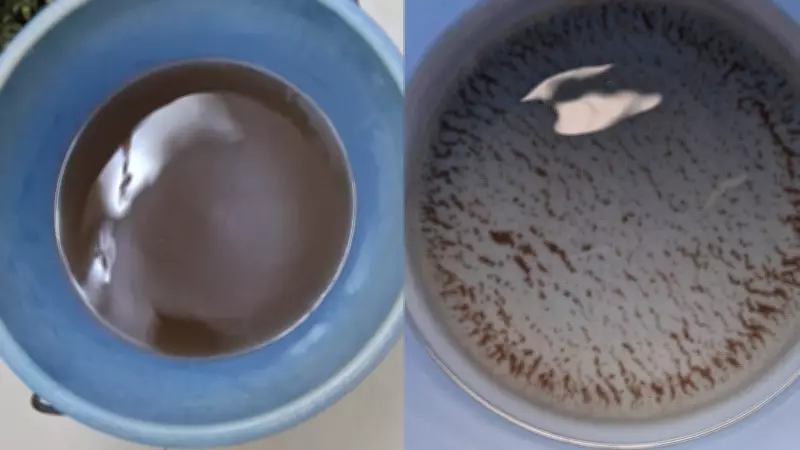
For nearly three months now, residents of Noida's Sector 29 Brahmaputra Apartments, which houses mostly army veterans, have been grappling with a severe water contamination crisis. They report receiving muddy, foul-smelling water from their taps, with some even witnessing live worms wriggling out of the water supply. Despite repeated complaints to authorities, the situation remains unresolved, with officials allegedly alternating between denial and temporary measures rather than addressing the underlying issue.
Laboratory Tests Confirm Worst Fears: Bacteriological Contamination
Frustrated by the lack of official action, residents were forced to conduct private water testing. The results from a Delhi-based government-approved facility confirmed their worst fears: the water samples contained coliform bacteria, rendering the water unfit for human consumption. This finding directly violates the Bureau of Indian Standards (BIS) drinking water norms, which mandate zero tolerance for coliform presence. Coliform bacteria typically indicate faecal contamination, often resulting from sewage mixing with the water supply.
Geeta Gumbeer, head of the area's Residents' Welfare Association (RWA), expressed her frustration: "Every now and then, we face such spells when we get dirty water in taps, but this time it has gone on far too long... three months. When we complain, the authorities give us excuses. They ask us to let the water run for half an hour... so it becomes clear, but they have been unable to give a conclusive answer or resolution."

Health Impacts and Growing Concerns
The contamination has already led to serious health consequences. On at least two occasions, residents had to be hospitalised after suffering severe diarrhoea. Gumbeer questioned, "Their condition became so extreme that they had to be admitted. They told us they hadn't eaten outside food for a long time. So what else could it be if not the water?"
She raised alarming concerns about potential epidemics, referencing recent deaths in Indore linked to contaminated water: "What are we waiting for? An epidemic? Are we waiting for Noida to head the Indore way?"
Official Response: Denial and Temporary Measures
Residents allege that instead of fixing the root cause, officials have been providing inconsistent explanations. "They told us insects were appearing because we are at the end of the supply line, or because of backflow from an unoccupied house," Gumbeer revealed.
Another resident, Veera Prasad, described the Jal Vibhag officials as largely unresponsive: "We went and met them. The attitude was completely lackadaisical." Army General Rajender echoed this sentiment, stating, "Enough of the poodle-shaking and lame excuses. They keep sending lower-level staff who don't understand the problem. The JE or senior officials never come. There is a complete 'couldn't care less' attitude."
Residents Forced to Take Matters Into Their Own Hands
With no resolution in sight, most residents have resorted to installing filters on the main supply line to trap larger particles, followed by RO filtration and boiling. However, Prasad highlighted the impracticality of this solution: "We cannot use RO water all the time, what do we do when we have to brush our teeth? An RO filter, which generally lasts three to six months, gets choked within a month."
The privately conducted water tests, carried out on samples collected in January, showed that while most chemical parameters such as pH, total dissolved solids, chloride, iron, and hardness were within permissible limits, the bacteriological tests failed. The report explicitly states that coliform bacteria were detected and concludes that the sample "does not conform to IS 10500 standards in respect of coliform bacteria." Taste testing was not conducted due to the "presence of microbial growth."
Broader Context of Water Contamination in Noida
This incident is not isolated. There have been repeated water contamination scares across Noida and Greater Noida over the past month, with reports of residents in sectors such as Delta 1 and Alpha 2 being rushed to hospitals after consuming contaminated water.

In January, following complaints of residents falling ill in Greater Noida, the Greater Noida Industrial Development Authority (GNIDA) constituted a high-level technical committee to audit pipelines, reservoirs, and water ATMs. This move came amid heightened concern after deaths linked to contaminated water in Indore. Additionally, the National Green Tribunal (NGT) took suo motu cognisance of water contamination complaints in multiple states, including Uttar Pradesh, in January.
Residents' Patience Wearing Thin
As the crisis enters its third month, residents of Sector 29 say their patience is wearing thin. Many families have started taking deworming medication as a precaution, while others continue to live in fear of further health complications. The community's trust in authorities has been severely eroded, and they demand immediate, permanent solutions to ensure safe drinking water.
The situation highlights broader issues of civic governance and public health infrastructure in rapidly urbanising areas. Without swift and decisive action from officials, residents fear that Noida could indeed be heading the way of Indore, with potentially devastating consequences for public health and community well-being.





