Jaishankar Fortifies India-US Strategic Partnership in Washington Meetings
External Affairs Minister Dr. S Jaishankar has reinforced India's commitment to a robust strategic partnership with the United States during high-level discussions in Washington DC. The meetings, held on Tuesday, focused on advancing bilateral cooperation across multiple domains, with particular emphasis on critical minerals collaboration through the Quad framework and the recently finalized trade agreement between the two nations.
Strengthening Economic and Strategic Ties
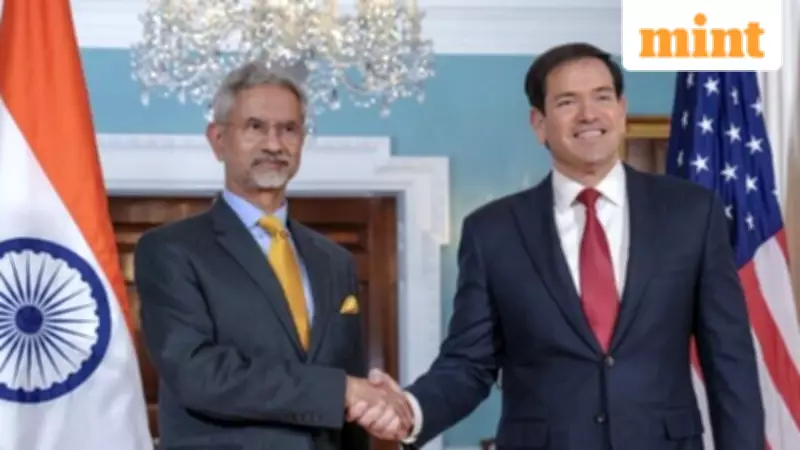
During his engagements, Jaishankar held substantive talks with US Secretary of State Marco Rubio and US Treasury Secretary Scott Bessent. These discussions covered a comprehensive agenda that included trade relations, energy security, nuclear cooperation, defense partnerships, critical minerals exploration, and technological collaboration. Both sides expressed satisfaction with the progress made in formalizing bilateral cooperation, particularly in unlocking new economic opportunities for both countries.
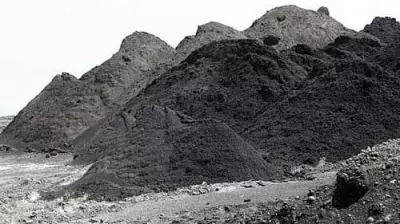
The meetings come at a significant moment, just ahead of the Critical Minerals Ministerial meeting scheduled for February 4th. This timing underscores the strategic importance both nations place on securing reliable supply chains for essential minerals that are crucial for modern technologies, renewable energy systems, and national security infrastructure.

Quad Framework as Key Platform for Cooperation
A central outcome of the discussions was the mutual commitment to expand bilateral and multilateral cooperation through the Quad mechanism. The Quad, comprising India, the United States, Japan, and Australia, has emerged as a vital platform for advancing shared interests in the Indo-Pacific region. By leveraging this framework for critical minerals partnership, both nations aim to create more resilient and diversified supply chains while promoting sustainable mining practices.
In his social media post following the meeting, Secretary Rubio highlighted the importance of this collaboration, stating that the discussions focused on bilateral cooperation regarding critical minerals exploration and working together to unlock new economic opportunities between the two countries. He also commended the trade deal reached between the United States and India, recognizing its potential to strengthen economic ties.
Comprehensive Strategic Dialogue
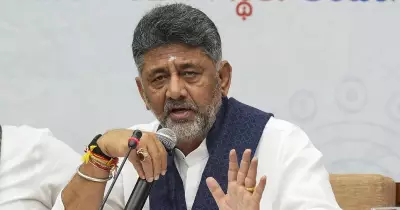
Jaishankar described his conversation with Secretary Rubio as "wide-ranging" and covering bilateral cooperation agenda along with regional and global issues. The External Affairs Minister emphasized that various facets of the India-US Strategic Partnership were discussed, including trade, energy, nuclear cooperation, defense, critical minerals, and technology. Both leaders agreed on the importance of holding early meetings of various mechanisms to advance shared interests effectively.
In a separate meeting with Treasury Secretary Scott Bessent, Jaishankar had what he described as a "useful discussion" on the advancement of India-US economic partnership and strategic cooperation. This engagement with the Treasury Department highlights the comprehensive nature of the bilateral relationship, extending beyond traditional diplomatic channels to include economic and financial dimensions.
Formal Recognition of Trade Agreement
The US Department of State, in its official press release, confirmed that Secretary Rubio and Minister Jaishankar welcomed the trade deal reached between President Donald Trump and Prime Minister Narendra Modi. The statement emphasized that both leaders recognized the importance of their democracies working together to unlock new economic opportunities and advance shared energy security goals.
This formal acknowledgment of the trade agreement represents a significant milestone in India-US relations, potentially paving the way for increased trade flows, investment opportunities, and technological exchanges between the world's largest and oldest democracies.
The Washington meetings demonstrate the growing depth and breadth of the India-US partnership, with both nations increasingly aligning their strategic interests in the Indo-Pacific region while building resilient economic connections that can withstand global challenges and uncertainties.