

LPG Cylinder Crisis: Why Politicize a Public Welfare Issue?
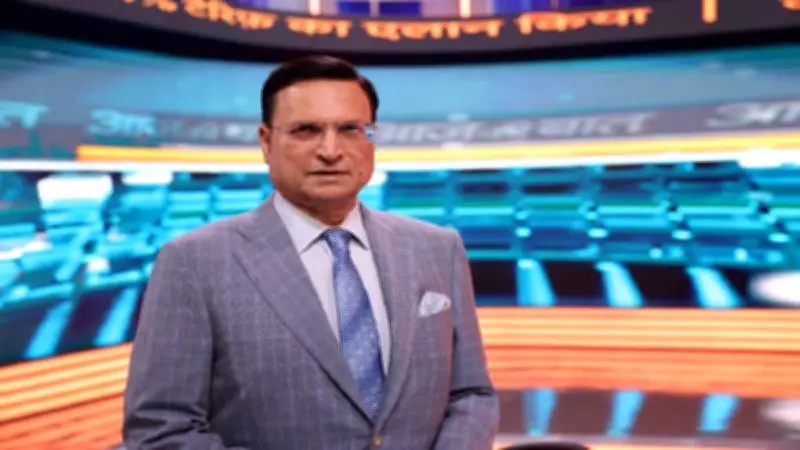
The recent shortage of LPG cylinders across India has ignited a heated debate, with many questioning why a critical public welfare issue is being dragged into the political arena. In a recent episode of "Aaj Ki Baat," host Rajat Sharma highlighted the severe impact of this crisis on millions of households, urging a focus on solutions rather than political point-scoring.
The Scale of the Crisis
Reports from various states indicate widespread disruptions in the supply of LPG cylinders, leading to delays and hardships for consumers. This shortage has particularly affected rural and low-income families who rely heavily on subsidized cylinders for their daily cooking needs. The situation has sparked public outcry, with many expressing frustration over the lack of timely availability and rising costs.
Rajat Sharma emphasized that the crisis is not just an inconvenience but a matter of basic survival for many. He pointed out that politicizing such issues detracts from the urgent need for effective governance and policy interventions to ensure stable supply chains.

Political Reactions and Public Sentiment
In response to the crisis, political parties have been quick to blame each other, with opposition groups criticizing the government's handling of the situation and ruling parties defending their efforts. This back-and-forth has only added to the public's anxiety, as people seek tangible solutions rather than political rhetoric.
Sharma argued that while accountability is important, the primary focus should be on addressing the root causes of the shortage, such as logistical challenges, production issues, or distribution bottlenecks. He called for a bipartisan approach to resolve the crisis, stressing that public welfare should transcend political affiliations.
Broader Implications for Governance
The LPG cylinder crisis underscores broader concerns about India's energy security and the efficiency of its public distribution systems. As a key component of household energy, any disruption in LPG supply can have cascading effects on health, economy, and social stability.
- Health impacts: Reliance on alternative, often polluting fuels can exacerbate respiratory issues and other health problems.
- Economic strain: Increased costs or black-market prices for cylinders burden already struggling families.
- Social unrest: Prolonged shortages may lead to protests and public dissatisfaction, undermining trust in institutions.
Sharma's commentary serves as a reminder that in times of crisis, leadership should prioritize collaborative problem-solving over divisive politics. He urged stakeholders to work together to implement short-term relief measures and long-term strategies to prevent future shortages.
Moving Forward: A Call for Action
To mitigate the crisis, experts suggest several steps, including enhancing production capacity, improving distribution networks, and ensuring transparency in supply chain management. Public awareness campaigns and helplines could also help consumers navigate the shortage more effectively.
- Increase monitoring of LPG supply chains to identify and address bottlenecks promptly.
- Encourage the use of digital platforms for booking and tracking cylinder deliveries to reduce delays.
- Foster public-private partnerships to boost infrastructure and innovation in the energy sector.
In conclusion, the LPG cylinder crisis is a stark reminder of the vulnerabilities in India's public welfare systems. By depoliticizing the issue and focusing on practical solutions, as advocated by Rajat Sharma, India can better serve its citizens and build resilience against future challenges. The path forward requires unity, empathy, and a steadfast commitment to the common good.






