

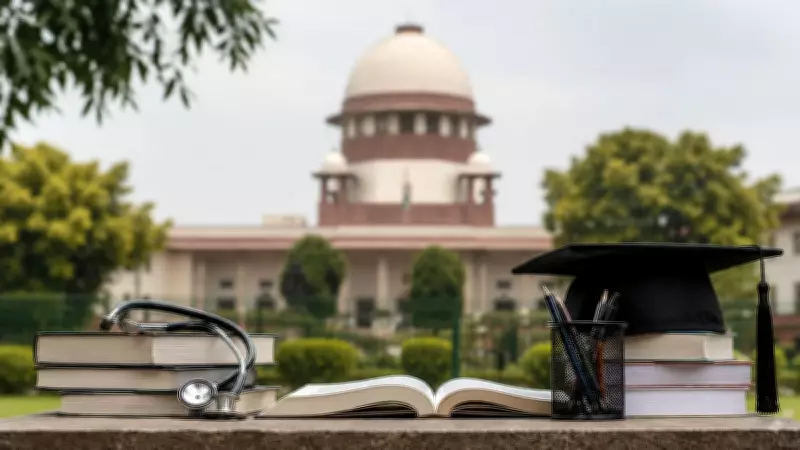
Supreme Court Dismisses Petition on Medical College Fees
The Supreme Court on Wednesday dismissed a petition challenging the fee structure of private medical colleges in Rajasthan, emphasizing the urgent need for doctors in the country. The bench, while rejecting the plea, observed that the nation cannot afford to hinder medical education over fee disputes.
Fee Structure and Petitioner's Argument
The counsel representing the petitioner highlighted that the fees in Rajasthan's private medical colleges can go up to Rs 25 lakh per annum. The petitioner argued that such high fees are unaffordable for many aspiring medical students and violate the principles of equity and access to education. However, the court was not persuaded by these arguments.
Court's Emphasis on Doctor Shortage
“We need doctors in this country,” the bench remarked, underscoring the critical shortage of healthcare professionals. The court noted that private medical colleges play a vital role in expanding medical education capacity and that interfering with their fee structure could deter investment and reduce the number of available seats. The judgment aligns with the government's broader push to increase the number of medical professionals, especially in underserved regions.

Impact on Medical Education and Students
The decision has significant implications for NEET aspirants seeking admission to private colleges in Rajasthan. While the fees remain high, the court's stance suggests a preference for increasing the supply of doctors over regulating costs. Critics argue that this may perpetuate inequality, as only affluent students can afford such fees. However, the court emphasized that the larger public interest in having a robust healthcare workforce outweighs individual concerns about fee affordability.
Government's Role and Future Steps
The Rajasthan government had previously attempted to regulate fees, but the Supreme Court's ruling may limit such interventions. The court advised that any changes to fee structures should be pursued through policy reforms rather than litigation. The verdict also highlights the need for more government medical colleges to provide affordable alternatives. As the country grapples with a doctor-to-population ratio below the World Health Organization's recommendations, the focus remains on expanding medical education infrastructure.






