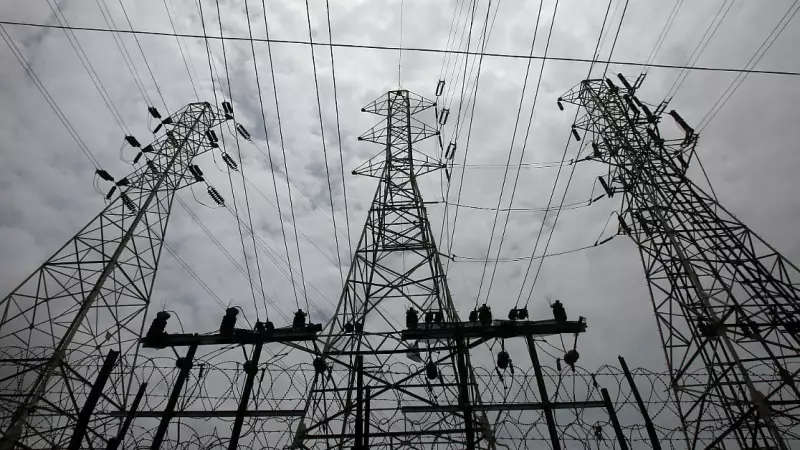
A recent audit by the Comptroller and Auditor General of India (CAG) has uncovered significant financial irregularities in the implementation of a central government scheme by electricity supply companies (ESCOMs) in Karnataka. The report, tabled in the state legislature, reveals that five ESCOMs incurred an excess expenditure of a staggering Rs 111.38 crore on a project funded by the Revamped Distribution Sector Scheme (RDSS).
Audit Uncovers Costly Deviations from Central Scheme
The CAG audit scrutinized the execution of works under the RDSS, a flagship central initiative designed to improve the operational efficiency and financial sustainability of power distribution networks. The audit period covered the financial years from 2021-22 to 2023-24. The primary finding was that the ESCOMs—BESCOM, MESCOM, HESCOM, GESCOM, and CESC—deviated from the approved project components and cost estimates.
Instead of adhering to the sanctioned plan, the companies undertook different works, leading to the massive overspending. The CAG report explicitly states that this excess expenditure of Rs 111.38 crore is not eligible for reimbursement from the central government. Consequently, this substantial financial burden will have to be borne entirely by the state exchequer and the respective electricity companies, putting additional strain on their already stressed finances.

Specific Lapses and Financial Implications
Delving deeper, the audit report highlights specific instances of mismanagement. A major point of contention was the procurement and installation of 10-meter long polymer poles. The CAG found that these poles were purchased at a higher rate without following a transparent tendering process, resulting in an avoidable extra cost. Furthermore, the audit questioned the very necessity of these longer poles in certain locations, suggesting that standard 9-meter poles might have been sufficient.
Another significant lapse was pointed out in the Hubbali Electricity Supply Company (HESCOM). The auditor noted that HESCOM used funds from the RDSS to clear its old outstanding dues related to a separate project called the Integrated Power Development Scheme (IPDS). This diversion of funds meant for new infrastructure works to settle old debts is a serious violation of the scheme's guidelines and financial propriety.
Recommendations and Broader Consequences
The CAG report does not merely list failures; it offers stern recommendations to prevent such lapses in the future. The auditor general has urged the state government and the ESCOMs to ensure strict adherence to sanctioned cost estimates and project components. Any deviation must be pre-approved by the appropriate authorities to maintain financial discipline and accountability.
The implications of this audit are far-reaching. The Rs 111 crore excess expenditure represents a direct loss to public funds and undermines the objectives of the central scheme aimed at revamping the power sector. It raises serious questions about project management, fiscal control, and governance within the state's power distribution utilities. The report is likely to trigger demands for accountability and may lead to further investigations into the decision-making process that allowed such overspending to occur.
This incident underscores the critical need for robust monitoring mechanisms in the implementation of large-scale government infrastructure projects to ensure that public money is used efficiently and for its intended purpose.