

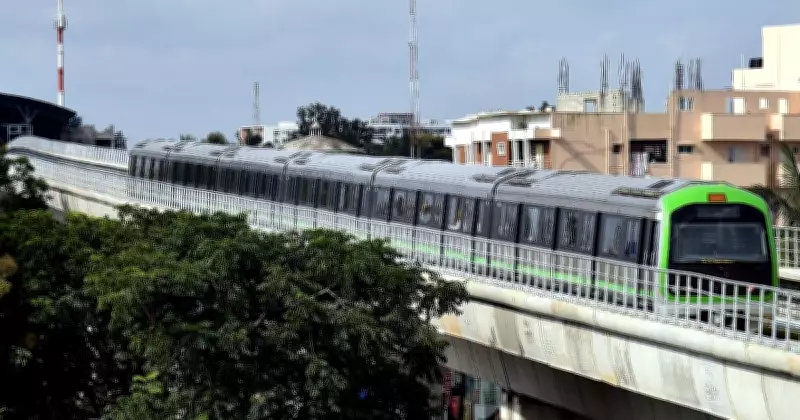
Bengaluru's Hebbal Junction: A Critical Crossroads for Urban Mobility
The Hebbal junction in Bengaluru stands at a pivotal moment in its development, sparking intense debate among urban planners, commuters, and policymakers. This key transportation node, located in the northern part of the city, has long been identified as a potential site for a seamless multimodal transit hub. However, recent developments and acquisitions have raised significant questions about whether this vision is being fully realized or if it represents a substantial lost opportunity for the city's infrastructure.
Land Acquisition and Phase 2B Expansion
In a major move to bolster Bengaluru's metro network, the Bangalore Metro Rail Corporation Limited (BMRCL) has secured a substantial parcel of land for the ongoing Phase 2B project. The corporation acquired precisely 6,712.97 square meters, equivalent to 1.65 acres, from the Karnataka Industrial Areas Development Board (KIADB). This acquisition is specifically earmarked for the construction of critical station infrastructure and supporting viaducts, forming an integral part of the ambitious metro expansion plan.
The strategic location of this acquired land adjacent to the existing Hebbal metro station and the bustling BMTC bus depot presents a unique opportunity. This proximity could theoretically facilitate effortless transfers between metro services and bus networks, reducing travel time and enhancing commuter convenience across Bengaluru.

The Vision Versus Reality of Multimodal Integration
Urban transport experts emphasize that a true multimodal transit hub requires more than mere physical proximity of different transport modes. It demands meticulous planning, synchronized schedules, shared ticketing systems, and pedestrian-friendly connectivity. The current layout at Hebbal junction, with the metro station situated next to the BMTC bus depot, offers a foundational framework. However, stakeholders are questioning whether the ongoing developments are maximizing this potential or merely adding another isolated node to the city's transport matrix.
Critics argue that without comprehensive integration strategies, Hebbal risks becoming another congested point rather than a fluid interchange. They point to missed opportunities in designing seamless walkways, real-time information systems, and last-mile connectivity options such as auto-rickshaw stands or bicycle-sharing facilities.
Broader Implications for Bengaluru's Urban Planning
This situation at Hebbal junction reflects larger challenges in Bengaluru's urban development narrative. As the city continues to expand rapidly, the pressure on its transportation infrastructure intensifies. The decisions made at junctions like Hebbal will have lasting impacts on traffic patterns, commuter behavior, and overall quality of life for residents.
The acquisition of land for Phase 2B is a positive step forward, but it must be part of a holistic approach. Successful multimodal hubs in other global cities demonstrate that integration is key—not just between metro and bus, but also incorporating feeder services, parking solutions, and commercial spaces that activate the area.
As Bengaluru moves forward, the focus must remain on creating transport ecosystems that are efficient, sustainable, and user-centric. The story of Hebbal junction serves as a crucial case study in whether the city can transform its infrastructure challenges into opportunities for smarter, more connected urban living.






