

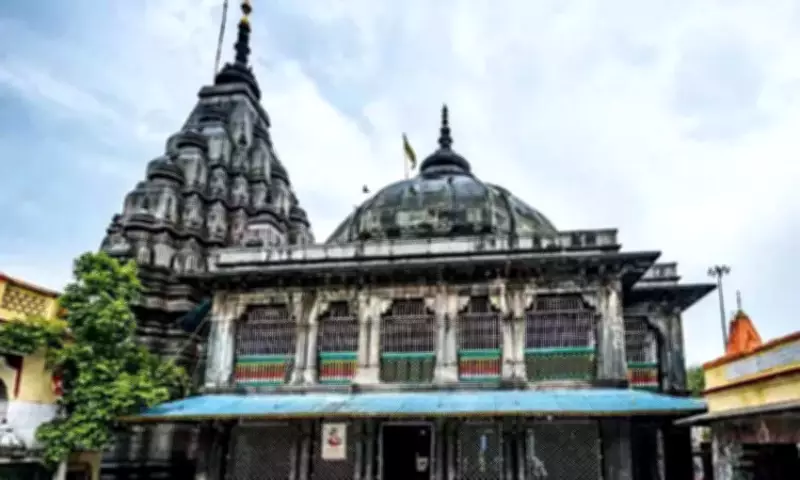
Gaya's Vishnupad Corridor Project Identifies 90 Structures for Demolition
As work accelerates on the ambitious Rs 352 crore Vishnupad Corridor project in Gaya, municipal authorities have identified at least 90 structures, predominantly residential, for full or partial demolition. This significant step is part of a comprehensive plan to widen and beautify the approach road leading to the historic Vishnupad Temple, transforming the area into a world-class spiritual and cultural destination.
Road Widening and Infrastructure Enhancements
The core objective of the Vishnupad Corridor project is to double the width of the existing approach road from 12 meters to an expansive 24 meters. This expansion aims to alleviate congestion and improve accessibility for the thousands of pilgrims who visit the temple annually. Municipal Commissioner Abhishek Palasia confirmed that a detailed survey is currently underway, with 90 structures marked for potential removal so far.
"It is premature to estimate the final number of structures to be razed," Palasia stated, emphasizing that demolitions will be conducted judiciously and only where absolutely necessary to facilitate the project's goals. He sought to reassure affected residents, noting, "The affected persons need not worry as there is provision for adequate compensation for acquiring private land or demolishing existing structures."

Comprehensive Development and Cultural Integration
Beyond road widening, the Vishnupad Corridor project encompasses a suite of development initiatives designed to enhance the pilgrim experience and preserve cultural heritage. Key components include:
- Development of ghats at an estimated cost of Rs 65 crore.
- Redevelopment of Tulsi Park with a budget of Rs 12 crore.
- Construction of a suspension bridge linking Sita Kund, estimated at Rs 71 crore.
- Establishment of a Lord Vishnu Cultural Centre, costing approximately Rs 81 crore.
- Beautification of five ponds, with an allocation of Rs 108 crore.
These projects aim to create a holistic visitor-friendly environment, blending spiritual significance with modern amenities.
Addressing the 'Non-Hindu Door' and Temple Relocations
A particularly sensitive aspect of the corridor plan involves the fate of the historic 'non-Hindu door.' Entry of non-Hindus into the Vishnupad Temple is traditionally prohibited. However, during a viceroy's visit in 1911, a special door was constructed to allow non-Hindu visitors entry up to a point away from the sanctum sanctorum. Over time, this door fell into disuse and was encroached upon by local shopkeepers.
According to Shambhu Lal Bitthal, president of the Vishnupad Temple Managing Committee, the temple management is open to relocating around a dozen small temples within the corridor, provided the sacred 'Pran Pratishtha' protocol is meticulously followed. Bitthal also indicated that the non-Hindu door may require relocation to align with the revised temple boundary. Regarding potential impacts on a nearby gurdwara, Bitthal clarified that any decisions would rest with the Gurdwara Prabandhak Committee.
The Vishnupad Corridor project represents a major urban redevelopment initiative in Gaya, balancing infrastructure modernization with respect for religious traditions and community welfare. As surveys continue, authorities remain focused on executing the plan with sensitivity, ensuring adequate compensation for displaced residents while creating a transformative space for pilgrims and visitors alike.






