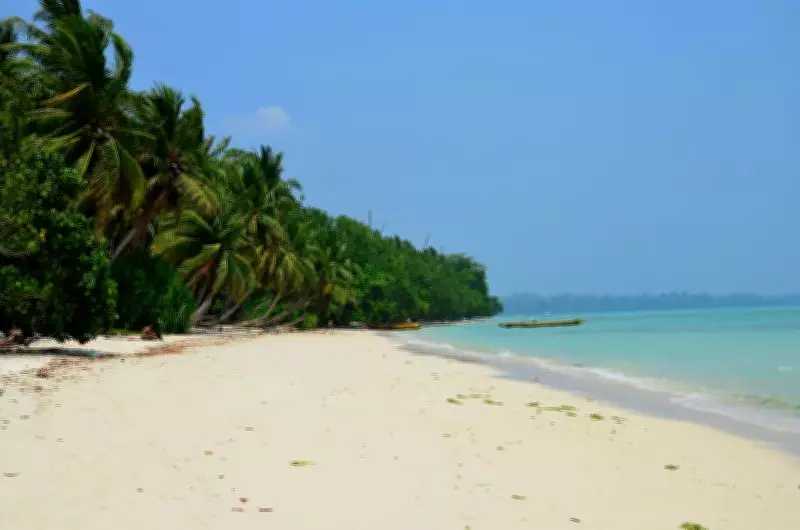
The Great Nicobar Island project, a major infrastructure initiative proposed by the Indian government, has sparked significant debate. The project envisions transforming the remote island into a hub for tourism, trade, and defense. Proponents argue it will boost economic growth and strategic capabilities, while critics raise alarms over its environmental and social impact.
What is the Great Nicobar Project?
The project includes a new international airport, a transshipment port, a power plant, and a township. It aims to leverage the island's strategic location near the Malacca Strait, a key global shipping route. The estimated cost is over Rs 72,000 crore.
Environmental Concerns
Environmentalists warn that the project threatens the island's unique biodiversity, including its pristine rainforests and coral reefs. The Great Nicobar Biosphere Reserve, a UNESCO-listed site, could be severely affected. Species like the Nicobar megapode and the leatherback turtle face habitat loss.

Indigenous Rights Issues
The island is home to the Shompen and Nicobarese tribes, who have lived in isolation for centuries. Critics argue that the project could displace these communities and disrupt their traditional way of life. The government has promised safeguards, but activists remain skeptical.
Strategic and Economic Benefits
Supporters highlight the project's strategic importance for India's maritime security and its potential to boost tourism and trade. The transshipment port could handle large cargo ships, reducing reliance on foreign ports. The airport would improve connectivity for both civilians and the military.
Key Takeaways
- The project aims to develop Great Nicobar Island with infrastructure worth over Rs 72,000 crore.
- Environmentalists fear irreversible damage to biodiversity and ecosystems.
- Indigenous tribes may face displacement and cultural erosion.
- Strategic and economic benefits are cited by the government as key justifications.
The debate continues as the government seeks to balance development with conservation and indigenous rights. The outcome will set a precedent for similar projects in ecologically sensitive areas.