

Elderly Man's Five-Month Ordeal to Prove He's Alive After Being Declared Dead in Official Records
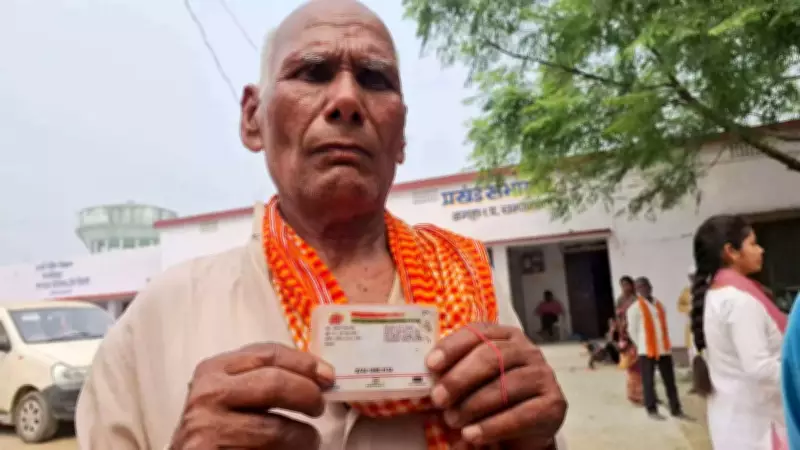
In a shocking case of administrative failure, a 78-year-old man from West Champaran district has been forced to spend the past five months moving from one government office to another to prove a simple, fundamental fact: that he is still alive. This bureaucratic nightmare began when an alleged error in official records led to the suspension of his crucial old-age pension, leaving him in financial distress and emotional turmoil.
Heartbreaking Plea During Public Grievance Program
The distressing situation came to light on Thursday during the district administration's "Prashasan Aapke Dwar" program held on the Bagaha-1 block premises. The elderly man, identified as Keshav Mishra, broke down in tears while pleading with officials to restore his pension benefits. His emotional appeal highlighted the human cost of bureaucratic errors that can devastate vulnerable citizens.
Mishra, a resident of Jaini Tola in Englishia panchayat under Bagaha, explained the absurdity of his situation: "I am alive, but the system has declared me dead. Because of this mistake, my old-age pension has been stopped for the last five months." This pension represents not just financial support but dignity and recognition for elderly citizens who have contributed to society throughout their lives.

Five Months of Frustration and Failed Attempts
For nearly half a year, Mishra has been making repeated visits to both the panchayat office and block office in a desperate attempt to get the critical error corrected. Each visit has resulted in disappointment and further delays, with no relief in sight despite his persistent efforts. This case exemplifies how bureaucratic inertia can trap ordinary citizens in endless cycles of documentation and verification.
Mishra specifically alleged that the mistake occurred due to what he described as the "arbitrary actions" of Vikas Mitra Shobha Kumari, whom he claimed was responsible for incorrectly showing him as deceased in the official records. This accusation points to potential negligence in maintaining accurate records for vulnerable populations.
Official Response and Promised Resolution
In response to the allegations, Shobha Kumari described the incident as an unintentional mistake, attributing the problem to a technical error rather than deliberate action. She assured that steps were being taken to correct the records at the earliest possible opportunity, though this assurance comes after five months of suffering for the affected senior citizen.
Taking serious note of the issue during the public program, District Magistrate Taranjot Singh, who was present at the event, immediately directed the Additional District Magistrate to ensure that the matter is resolved promptly and that Mishra's pension benefits are restored without further delay. This intervention highlights how high-level attention is often necessary to resolve basic administrative failures that should never occur in the first place.
Broader Implications for Elderly Welfare Systems
This case raises serious questions about the robustness of systems designed to protect and support elderly citizens. When a simple record-keeping error can deprive a senior citizen of essential financial support for five months, it indicates systemic vulnerabilities that need urgent addressing. The incident serves as a stark reminder of how digital and bureaucratic systems must maintain accuracy, especially when dealing with vulnerable populations who depend on these systems for their basic needs.
The emotional and financial toll on Keshav Mishra represents just one visible case of what might be a more widespread problem affecting elderly citizens across various districts. It underscores the need for more efficient grievance redressal mechanisms and better accountability in maintaining vital records that determine access to social welfare benefits.






