DGCA Empowers Pilots to Refuse Unsafe VVIP Flights After Pawar Crash
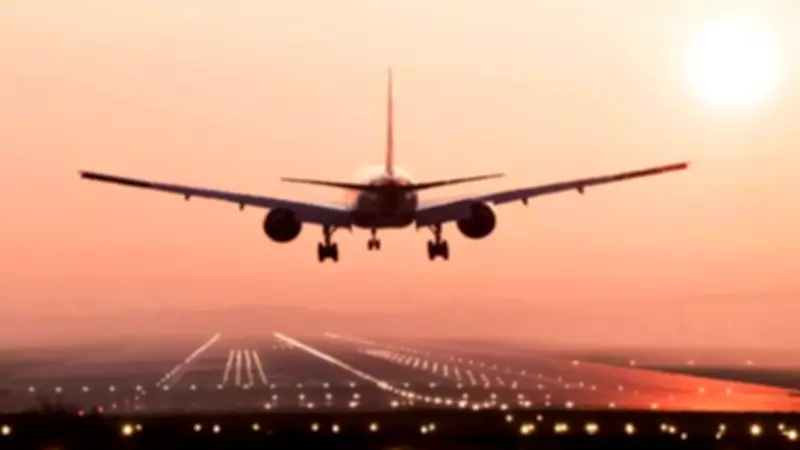
In a significant move to enhance aviation safety, the Directorate General of Civil Aviation (DGCA) has issued new guidelines empowering pilots to refuse flights if conditions are unsafe for VVIPs. This decision comes in the wake of the tragic plane crash in January that claimed the life of Maharashtra deputy chief minister Ajit Pawar and four others, highlighting the urgent need for stricter safety protocols.
New Rules to Prevent Undue Pressure on Flight Crew
The DGCA's updated "guidelines for carriage of central, state and other dignitaries by aircraft" explicitly state that flight crews must not be subjected to undue pressure to undertake flights that could compromise safety. The rules mandate that any last-minute changes due to VIP requirements should be coordinated through the organization's management, not directly with the crew, ensuring professional judgment remains paramount.
An analysis of past accidents and incidents, particularly during election campaigns and operations at temporary airstrips or helipads, revealed frequent violations of safety instructions. The DGCA emphasizes that all stakeholders must adopt effective measures to uphold the highest safety standards for such flights, which are often conducted in small aircraft and helicopters.

Key Safety Conditions for VVIP Flights
The new directives include strict compliance requirements for all operators and pilots involved in VVIP travel. These conditions are designed to mitigate risks and ensure operational integrity:
- Aircraft Specifications: Twin-engine aircraft with a minimum of two crew members and robust operational capabilities are required.
- Professional Autonomy: The planning and conduct of flights must remain under the sound judgment of flight crews and maintenance engineers, free from external pressure or influence.
- Baggage Screening: Operators and flight crews must ensure all baggage is properly screened before loading onto the aircraft.
- Landing Site Verification: Suitable helipads or airstrips must be confirmed at least 24 hours prior to flight commencement, with landing permissions obtained from district authorities for remote or uncontrolled locations.
- Administrative Support: State and district administrations are tasked with providing timely information on helipad conditions, coordinates, security, and fire rescue arrangements before issuing landing permissions.
- Equipment Standards: Aircraft must be equipped with serviceable instruments for Instrument Flight Rules, including weather radar, communication, and navigational equipment.
- Pre-flight Inspections: Aircraft must be inspected and certified before such flights, with any defects reported by the pilot or detected on ground rectified prior to departure.
- Fuel Management: Fuel quality must be ensured, and adequate fuel uplifted for planned flights, including contingencies.
- Pilot Experience: Only experienced pilots are authorized to operate these flights.
Industry Response and Implications
A veteran charter operator welcomed the new rules, noting that they provide a formal basis to refuse unsafe operations. "In my decades of experience, I've faced repercussions for pointing out safety concerns like adverse weather. Now, while we handle maintenance and approvals, the responsibility for a safe flight is shared by everyone on board. This rulebook clarifies that, making it possible to say no to VIPs when necessary," the operator stated.
The guidelines apply to a wide range of dignitaries, including Z+ category SPG protectees, the Lok Sabha speaker, Rajya Sabha deputy chairperson, central ministers of cabinet rank, the Chief Justice of India, chief ministers, governors, and state ministers of cabinet rank. By mandating strict adherence, the DGCA aims to prevent future tragedies and reinforce a culture of safety in aviation operations for high-profile individuals.