

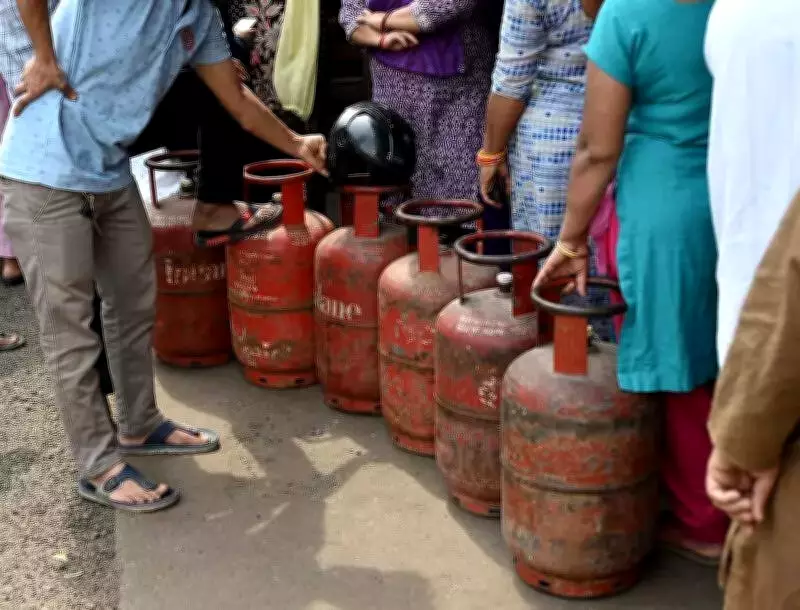
Delhi Government Enacts Emergency LPG Distribution Policy
In response to growing concerns over shortages of commercial cooking gas in various parts of the national capital, the Delhi government has rolled out a temporary policy to regulate the distribution of commercial LPG cylinders. This strategic move aims to ensure that critical essential services, including hospitals, railways, and airports, continue to receive their full required supplies without interruption.
Strict Allocation Framework Implemented
Under the newly established arrangement, only 20% of the average daily commercial LPG consumption in Delhi will be made available for regulated distribution. This translates to approximately 1,800 cylinders per day, a significant reduction from the nearly 9,000 commercial cylinders typically sold daily across the city, as outlined in the official policy document.
A priority-based distribution system has been meticulously formulated, focusing on eight distinct categories to prevent operational disruptions in vital institutions. Educational institutions, hospitals, railways, and airports have been placed in the top priority category, ensuring they maintain seamless functionality.

Detailed Sector-Wise Cylinder Allocations
Government departments and public sector institutions with in-house canteens are designated at level 2 in the priority hierarchy. Meanwhile, restaurants and eateries, which account for the largest share of commercial LPG usage, will receive the biggest portion of the available supply, albeit with a strict cap of 762 cylinders daily.
The specific daily allocations are as follows:
- Educational institutions, hospitals, railways, and airports: up to 200 cylinders
- Government and PSU canteens: 236 cylinders
- Hotels and guesthouses: 72 cylinders
- Dairies and bakeries: 200 cylinders
- Caterers: 162 cylinders
- Industrial units: 18 cylinders
- Sports facilities and others: 150 cylinders
Additional sectors covered under this policy include sweet shops and banquet halls. Smaller industrial users, such as dry-cleaning units, packaging facilities, and pharmaceutical units, have been placed in a lower priority category due to their relatively lesser impact on public welfare.
Government Clarifications and Restrictions
The government has explicitly clarified that no supply will be made in 5kg cylinders, as their distribution is not managed through standard LPG distributors. This measure is intended to streamline the allocation process and prevent logistical complications.
The policy also incorporates robust measures to prevent hoarding and ensure equitable distribution. Bookings will be processed through regular online systems, and supplies will be dispatched on a first-in-first-out basis if immediate delivery is not feasible, according to an official statement.
Enhanced Enforcement and Monitoring Mechanisms
To address concerns of panic buying and potential malpractice, the Delhi government has constituted 70 specialized enforcement teams. These teams, comprising personnel from Delhi Police, the weights and measures department, and the food and civil supplies department, are maintaining a strict vigil at gas stations, stock yards, distribution points, and other critical locations.
Their primary objectives are to prevent hoarding, black-marketing, and ensure compliance with the new regulations. To strengthen inter-agency coordination, the government has established a common mobile communication channel linking officials from various departments, including Delhi government and police.
Joint inspection teams will conduct regular inspections and enforcement operations to curb diversion of LPG cylinders, illegal storage, under-weighing, and other fraudulent activities. Violations of the policy could invite stringent action under laws such as the Essential Commodities Act and the LPG supply and distribution regulations, warned an official.

Advisory and Policy Duration
Commercial institutions have been advised to temporarily explore alternative cooking arrangements to mitigate the impact of reduced LPG availability. Authorities emphasized that this policy, framed in accordance with directions from the Union petroleum and natural gas ministry, will remain in force for the foreseeable future.
The policy may be reviewed depending on how the supply-and-demand situation evolves in the coming weeks. An official claimed that supply chains for LPG, petrol, and diesel remain stable, attributing current pressures to a sudden surge in demand triggered by panic buying despite adequate stock levels.
In the past 24 hours, at least five verbal complaints of hoarding were received, with prompt action taken to address them, highlighting the government's proactive stance in managing the crisis.





