In a significant move to combat vehicular pollution, the Delhi government has declared that its stringent 'No PUC, No Fuel' policy will remain in force even after the Graded Response Action Plan (GRAP) stage-IV restrictions are withdrawn. Environment Minister Manjinder Singh Sirsa made the announcement during a press conference on Tuesday, underscoring the administration's commitment to long-term anti-pollution measures.
Strict Enforcement and Crackdown on Faulty Centres
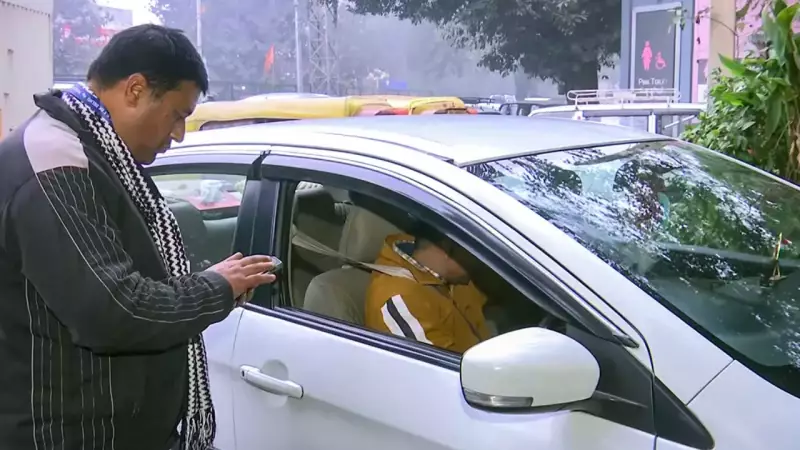
Minister Sirsa stated that enforcement agencies have been given clear directives to ensure that no vehicle without a valid Pollution Under Control (PUC) certificate is permitted to operate on the capital's roads. This rule mandates that all petrol pumps must refuse fuel to any vehicle that cannot produce a valid PUC certificate. The policy is applicable to all vehicles within the National Capital Territory.
The action follows new pollution control rules that took effect on 18 December 2025, impacting car owners across the city, with a more pronounced effect on drivers of older vehicles.

Sirsa revealed that recent inspections had uncovered serious deficiencies in Delhi's emission testing infrastructure. Several PUC centres were found to be non-functional, while 12 centres were operating with faulty equipment. These centres have been immediately suspended and issued legal notices. "If anyone is found violating norms, strict action will be taken," the minister warned.
Strengthening Monitoring Infrastructure
To address the gaps and strengthen the monitoring system, the government has approved the establishment of four new vehicle emission testing centres. Furthermore, permission has been granted to open additional testing facilities specifically for commercial vehicles, which are significant contributors to pollution.
This two-pronged approach of strict enforcement and infrastructure augmentation aims to create a more robust mechanism for controlling vehicular emissions in the long run.
Major Push for Water Body Rejuvenation
Beyond air pollution, Minister Sirsa also announced a major environmental initiative focused on water conservation. He stated that Delhi has nearly 1,000 water bodies that require urgent attention and rejuvenation. To tackle this, the government has proposed allocating a substantial sum of Rs 100 crore for the restoration and maintenance of these vital water resources.
This combined focus on air and water highlights the Delhi government's broader environmental agenda, aiming to make sustained improvements in the capital's ecosystem beyond temporary emergency measures like GRAP.