Delhi and the National Capital Region (NCR) are poised for a transformative year in 2026, with several landmark infrastructure projects set to become operational. However, urban experts and civic observers caution that these shiny new additions will not automatically resolve the capital's persistent and fundamental issues of livability, requiring decisive political leadership and a unified vision.
The Promise of 2026: Mega Projects on the Horizon
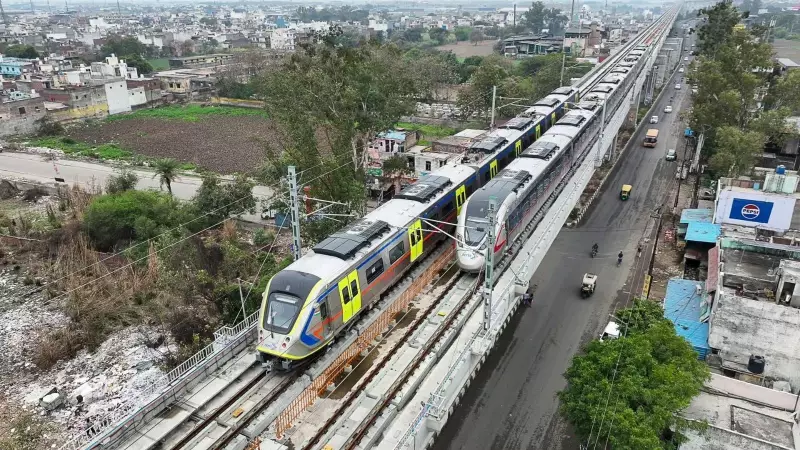
The coming year is marked by significant milestones. The Jewar Airport, projected to eventually rank among the world's largest, is scheduled to open. Simultaneously, the complete Namo Bharat Delhi-Meerut Regional Rapid Transit System (RRTS) corridor will commence operations, aiming to integrate the NCR more closely. Furthermore, approximately 63 kilometres of new Delhi Metro lines are expected to become functional, and substantial construction work on the Gurgaon Metro will begin.
The Persistent Crisis Beneath the Gloss
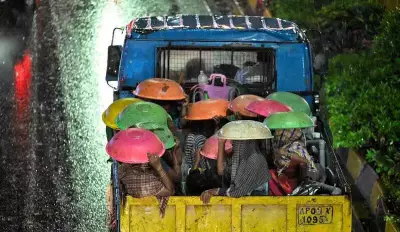
Despite these advancements, the region's chronic civic ailments remain starkly unaddressed. The challenges are multifaceted and deeply entrenched: roads that flood with every monsoon, an unreliable and declining bus system, an unsustainable surge in private vehicles, and illegal settlements housing an estimated three-quarters of Delhi's population. The environmental crisis is visualised in three massive garbage mountains dominating the skyline and the biologically dead Yamuna river.

"These new projects, while important, do not directly tackle the problems of broken footpaths, inefficient last-mile connectivity, or the toxic air Delhi residents breathe daily," note urban planners. The infrastructure development appears parallel to, not integrative with, solving basic civic governance failures.
A Call for Unified Leadership and Vision
Experts argue that a meaningful turnaround demands concerted action from all tiers of government—currently all under the BJP's control—alongside citizen engagement, guided by clear vision and top-level leadership. Jagan Shah, CEO of The Infravision Foundation and former director of the National Institute of Urban Affairs, minced no words in his assessment.
"We should be ashamed at our collective failure," Shah stated. "The crisis in our Capital must be fixed. There are no excuses. We are a country big enough to invest financially and politically in our capital." He emphasised the need for a singular, ambitious plan anchored by the Prime Minister's Office to navigate the complex crisis.
The consensus is clear: the inauguration of world-class infrastructure in 2026 will be a hollow victory if Delhi's foundational issues of waterlogging, waste management, housing, and air pollution continue to fester. The real test will be whether political will can bridge the gap between building new monuments of progress and fixing the broken basics of urban life.