Delhi Government Caps Commercial LPG Supply Amid Shortage, Prioritizes Essential Services
The Delhi government has implemented a cap on commercial LPG supply in response to a significant shortage, with a focus on prioritizing essential services. This decision comes as a direct result of directives issued by the Ministry of Petroleum and Natural Gas, aimed at managing the current supply constraints effectively.
Government Directive and Supply Management
Following instructions from the Ministry of Petroleum and Natural Gas, the Delhi government has moved to restrict commercial LPG availability. The directive specifies that up to 20 percent of the average daily commercial LPG consumption in Delhi should be made accessible during this period of supply challenges. This measure is designed to ensure that critical sectors, such as healthcare and food services, receive adequate fuel supplies while mitigating the impact of the shortage on the broader commercial landscape.
Impact on Commercial Operations
The cap on commercial LPG supply is expected to affect various businesses across Delhi, particularly those in the hospitality and manufacturing sectors. By limiting availability, the government aims to prevent hoarding and ensure a more equitable distribution of resources. Essential services, including hospitals and emergency response units, will be given priority to maintain public health and safety standards.

Context and Public Response
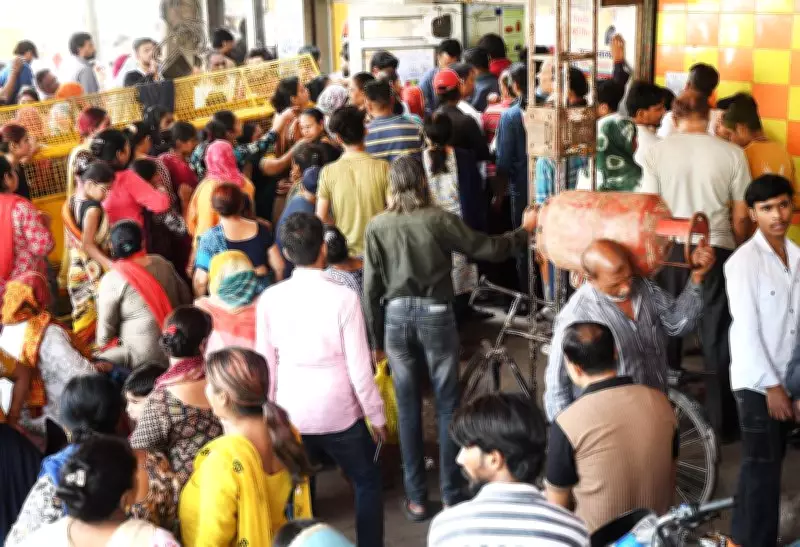
The shortage has led to long queues at LPG agencies in New Delhi, as residents and businesses scramble to secure fuel. The government's proactive approach seeks to address these disruptions by implementing strategic controls. This move underscores the ongoing efforts to balance supply demands with operational necessities during times of resource scarcity.
Authorities continue to monitor the situation closely, with plans to adjust the cap as supply conditions evolve. The prioritization of essential services reflects a commitment to safeguarding community welfare while navigating the complexities of fuel distribution in a constrained environment.