Delhi Government Announces Major Investment in Water and Sanitation Infrastructure
In a significant move to bolster public health and urban living standards, the Delhi government has earmarked a substantial allocation of Rs 9,000 crore in its budget for the fiscal year 2026-27. This funding is specifically designated to enhance water supply systems and sanitation facilities across the capital, addressing long-standing infrastructure gaps and improving access to essential services for residents.
Focus on Strengthening Core Utilities
The budget allocation underscores a strategic focus on upgrading Delhi's water and sanitation infrastructure, which is critical for preventing waterborne diseases and ensuring a hygienic environment. Key initiatives under this plan include:
- Expansion and modernization of water treatment plants to increase supply capacity.
- Development of new pipelines and repair of existing networks to reduce leakage and wastage.
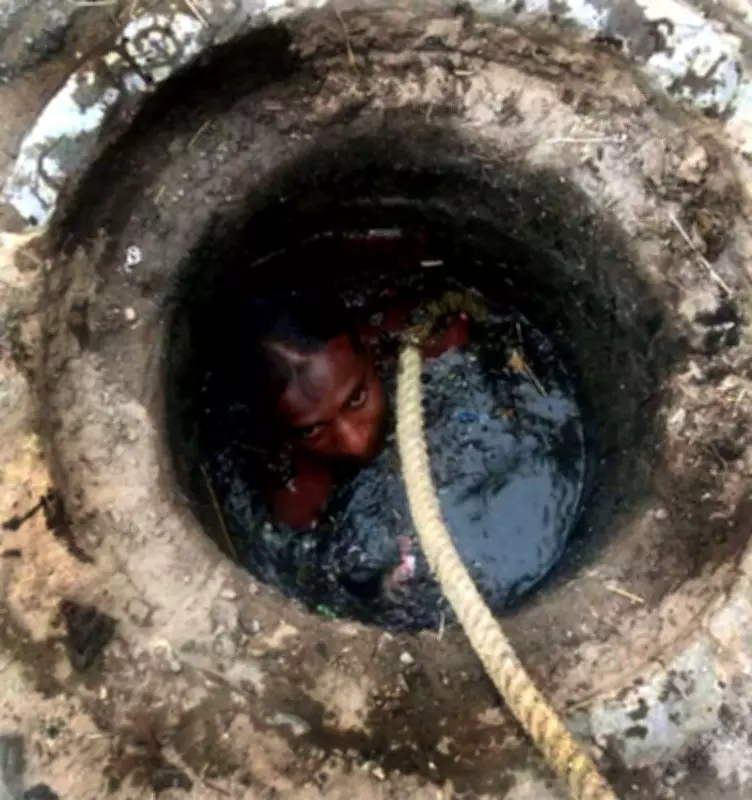
- Construction of public toilets and waste management systems to improve sanitation in underserved areas.
This investment is expected to directly benefit millions of Delhiites, particularly in densely populated and low-income neighborhoods where access to clean water and proper sanitation has been a persistent challenge.

Implications for Public Health and Urban Development
By prioritizing water and sanitation, the Delhi government aims to mitigate health risks associated with contaminated water and poor hygiene, such as diarrheal diseases and infections. Improved infrastructure is also anticipated to boost overall quality of life, support sustainable urban growth, and align with national goals under initiatives like Swachh Bharat Abhiyan. The budget reflects a proactive approach to governance, with long-term benefits for environmental sustainability and economic productivity in the region.
As the capital city continues to expand, this allocation signals a commitment to resilient and inclusive development, ensuring that basic amenities keep pace with population growth and urbanization demands.