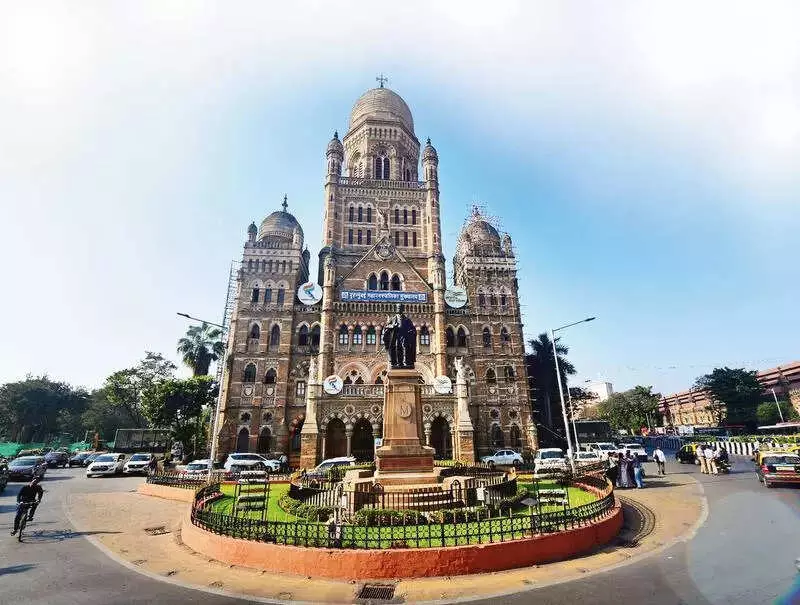
In a significant move aimed at streamlining infrastructure development, the Brihanmumbai Municipal Corporation (BMC) has overhauled its guidelines for road widening and the rehabilitation of affected residents. The revised framework, issued via a circular on December 15, seeks to address long-standing concerns over inconsistent implementation, lack of transparency, and weak accountability.
What Prompted the Policy Overhaul?
The civic administration decided to revise the rules for implementing Regulation 33 (12) (B) of the Development Control and Promotion Regulations (DCPR) 2034 after identifying several critical flaws. Key issues included piecemeal and incomplete road widening projects, a non-transparent system for issuing No Objection Certificates (NOCs), and the absence of a strong monitoring mechanism. There was also a lack of clear prioritization in identifying which roads needed widening first.
The regulation itself empowers the BMC to remove structures—whether tolerated or protected—that fall within the alignment of existing roads, Development Plan (DP) roads, and Road Line (RL) roads. To rehabilitate the Project-Affected Persons (PAPs), it allows for an additional Floor Space Index (FSI) of up to 4.0 on the plots used for their resettlement. The core goal is to eliminate traffic bottlenecks, complete missing road links, and enhance the city's overall transport infrastructure.

Key Features of the New Framework
The revised circular introduces a standardized and digitized process for NOC issuance to boost transparency. It mandates complete and contiguous road widening instead of fragmented work, ensuring a more significant impact on traffic flow. To strengthen execution, the policy emphasizes better inter-departmental coordination and stricter accountability.
The approval process has been clearly defined. A Road Priority List must be cleared at the zonal level by the Deputy Municipal Commissioner (DMC). Any changes to this priority require the nod from the Additional Municipal Commissioner (AMC) of the city, western, or eastern suburbs. The BMC has also set a cap: at any given time, work can proceed on a maximum of three roads or for up to 100 project-affected persons. Adding a fourth road requires specific justification and AMC approval.
Furthermore, the roads department is now obligated to ensure that development work begins immediately after demolition, with prior budget allocations and tender arrangements in place.
Concerns and Legal Vulnerabilities
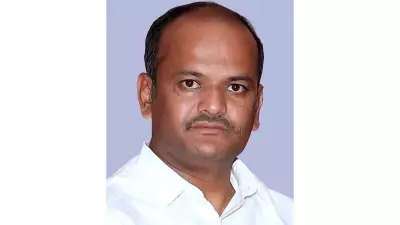
While welcoming the policy direction, Samajwadi Party MLA Rais Shaikh stressed the need for a robust database of rehabilitated individuals. He suggested linking records to Aadhar or voter ID numbers to prevent the same person from being rehabilitated multiple times.
A civic activist echoed this concern, calling it a familiar modus operandi where people, once rehabilitated, might encroach on another site. The activist flagged a major procedural risk: the circular grants ward-level assistant commissioners the power to finalize occupant eligibility without a strong supervisory layer. This, they argued, demands greater scrutiny by higher authorities.
The activist also pointed to a serious legal vulnerability. The process requires a tripartite agreement between the developer, the BMC, and the occupant before the final NOC is issued. In cases of an occupant's sudden death, disputes over legal heirs could embroil the BMC in prolonged litigation, exposing the civic body to significant legal risk.
The BMC has stated that these changes align with its technology-driven governance model and aim to support ease of doing business without compromising public interest. The success of this revised framework will depend heavily on its enforcement and the closure of the loopholes it was designed to plug.