

Bhubaneswar Municipal Corporation Unveils Major Compressed Biogas Plant Initiative
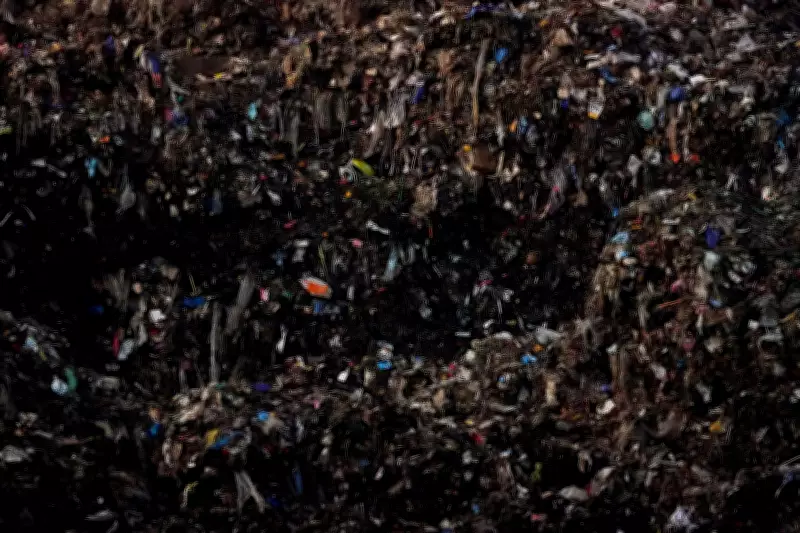
The Bhubaneswar Municipal Corporation (BMC) has announced a groundbreaking initiative to establish a compressed biogas (CBG) plant at Nayapalli. This strategic move is designed to sharply reduce the waste load at the city's Temporary Transfer Station (TTS) and micro composting centres, marking a significant step towards sustainable urban waste management.
Addressing Waste Overload and Environmental Concerns
Currently, the TTS handles approximately 470 tonnes of waste daily, processing it through various methods, while micro composting centres convert garbage into manure. BMC officials emphasized that reducing the load at TTS will eliminate exposed waste, which often leads to unpleasant odors and filth in nearby localities. "The project, being developed in collaboration with Oil India Limited, is part of a broader push to build sustainable waste-to-energy infrastructure in urban centres," stated an official. "The facility will significantly improve waste handling in the city and drastically reduce load at TTS."
Project Details and Operational Scope
First proposed in 2024, the CBG plant is being constructed on around 10 acres of land at Nayapalli. It aims to process 300 tonnes of waste per day, with an expected daily output of about 13 tonnes of biogas, along with organic manure and refuse-derived fuel. Civil works, engineering, procurement, and statutory approvals are currently underway to bring this project to fruition.

Environmental and Economic Benefits
Additional Commissioner of BMC, Kailash Chandra Dash, highlighted the multifaceted advantages of the CBG facility. "It will support scientific processing of municipal waste, reduce landfill burden, cut greenhouse gas emissions, and improve urban sanitation," he explained. Moreover, the project is set to generate substantial employment opportunities, with around 60 direct jobs in plant operations, maintenance, and administration. Indirect opportunities will also arise in waste collection, segregation, transportation, and support services, boosting the local economy.
Current Waste Management Landscape
Bhubaneswar generates approximately 800 tonnes of municipal solid waste every day, comprising both wet and dry components. Of this, micro composting centres process about 100 tonnes of wet waste daily, while Material Recovery Facilities (MRFs) handle around 120 tonnes of dry waste. The BMC has further enhanced capacity by setting up semi-mechanised MRFs with a 150-tonne capacity, which officials note can nearly double throughput with additional shift operations.
Complementary Biomass Briquette Initiative
In a parallel effort to promote clean energy, the BMC is launching a project to produce biomass briquettes using green waste. A selected private agency will install, operate, and maintain the facility, paying the BMC a monthly royalty of Rs 75,000 over a 10-year period. This initiative underscores the city's commitment to innovative waste-to-energy solutions and sustainable urban development.






