

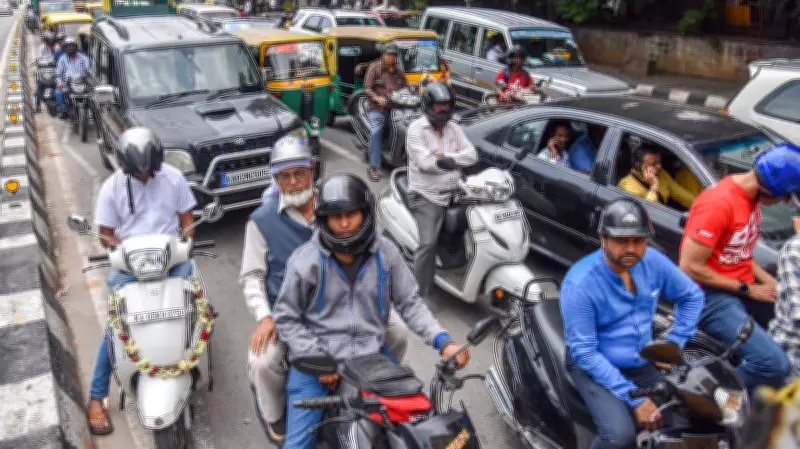
Bengaluru Study: 3 Junctions Highlight Need for Major Road Rethink
A recent comprehensive study conducted in Bengaluru has delivered a stark warning: the city's road infrastructure requires an immediate and substantial rethink. The analysis, which focused on three critical junctions, uncovered significant traffic inefficiencies that are hampering mobility and compromising safety for millions of residents.
Detailed Analysis of Key Traffic Points
The study meticulously examined three high-traffic junctions in Bengaluru: Silk Board Junction, Hebbal Junction, and KR Puram Junction. Researchers collected data on vehicle flow, congestion patterns, pedestrian movement, and accident rates over an extended period. The findings paint a concerning picture of urban planning challenges.
Silk Board Junction emerged as a primary bottleneck, with peak-hour delays exceeding 45 minutes on average. The study noted that inadequate lane discipline, poorly synchronized traffic signals, and a lack of dedicated pedestrian crossings contribute to chaotic conditions. Similarly, Hebbal Junction showed severe congestion due to merging traffic from multiple highways, while KR Puram Junction faced issues with irregular traffic flow and frequent accidents.

Critical Lessons for Urban Infrastructure
The study emphasizes that these three junctions serve as microcosms of broader problems across Bengaluru's road network. Key lessons identified include the urgent need for intelligent traffic management systems, better pedestrian infrastructure, and optimized junction designs to reduce conflict points.
Researchers highlighted that current road layouts often prioritize vehicular movement over pedestrian safety, leading to increased risks. The study recommends implementing measures such as:
- Redesigning junctions with grade separators or flyovers where feasible
- Installing advanced traffic signal coordination technology
- Creating dedicated bus lanes and non-motorized transport corridors
- Enhancing pedestrian footpaths and safe crossing zones
Call for Action and Policy Implications
The findings underscore a pressing need for policy interventions and infrastructure upgrades. Urban planners and city authorities are urged to adopt data-driven approaches to road design, moving away from ad-hoc solutions. The study suggests that without systematic changes, traffic conditions in Bengaluru could deteriorate further, impacting economic productivity and quality of life.
This research adds to growing evidence that Indian metropolitan areas must rethink their transportation strategies to accommodate rapid urbanization. As Bengaluru continues to expand, integrating sustainable and efficient road networks will be crucial for its future development and resident well-being.






