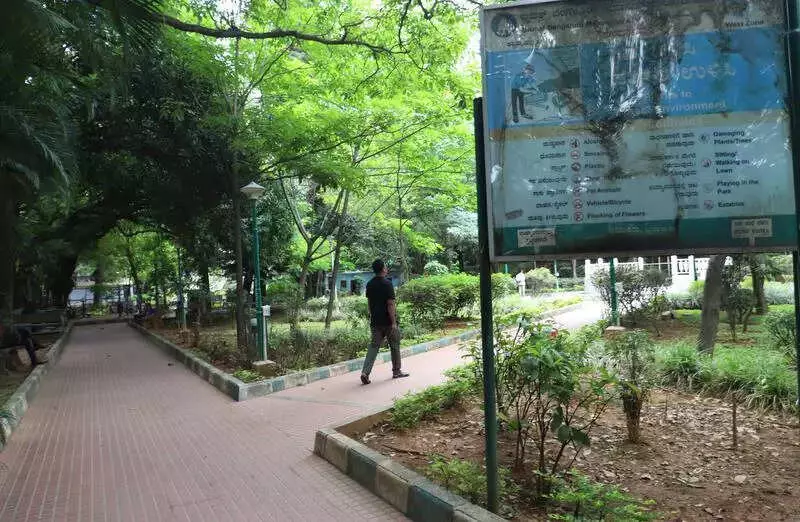
The Greater Bengaluru Authority has triggered disappointment among residents by rolling back extended operating hours for neighbourhood parks in the Bengaluru South zone. Nearly a year after allowing parks to remain open from 5 am to 10 pm, the civic body has now restricted access to two time slots: 5 am to 11 am and 4 pm to 8 pm. This decision, affecting over 1,200 parks under its jurisdiction, has been met with strong opposition from citizens who rely on these green spaces for recreation and respite.
Why the Extended Timings Were Scrapped
The extended park hours were initially introduced in June 2024 to boost public access, allowing walkers, fitness enthusiasts, and families to use the facilities throughout the day. However, officials from the Bengaluru South city corporation cited multiple concerns for the reversal. Key issues included sparse evening footfall, incidents of anti-social behaviour, littering during late hours, and limited manpower to monitor activities effectively. Civic authorities argued that these factors made it difficult to ensure safety and maintain order in the parks after dark.
It is important to note that this rollback applies specifically to neighbourhood parks managed by the corporation. Major green lungs of the city like Cubbon Park and Lalbagh, which are under the horticulture department, continue to follow their separate schedules and are unaffected by this change.

Citizens Voice Their Discontent and Concerns
The decision has not gone down well with a wide cross-section of Bengalureans, who see parks as essential retreats in a city grappling with chaotic traffic and inadequate pedestrian infrastructure.
Senior citizens, in particular, have expressed deep dismay. Vijayalakshmi, 68, from Hosakerehalli, stated that flexible timings allowed her to spend peaceful hours in the park without rush. Chandramma, 72, from Thyagaraja Nagar, echoed this, calling the earlier flexibility a "blessing" for quiet moments away from crowds. Both highlighted that the real danger lies outside the parks, on unsafe roads and footpaths.
The change also impacts working professionals and gig economy workers. Dakshinya, a 23-year-old non-IT professional, said parks were her go-to place for unplugged time with friends, and she never witnessed illegal activities. Ravi Kumar, a 29-year-old gig worker from Ramanagara who travels daily to the city, relies on parks as crucial rest stops to eat and recharge during his long shifts from 7 am to 11 pm. Adi Narayan, president of the Bike Taxi Association, warned that without park access, delivery and bike-taxi drivers resting on roads and footpaths would become a common sight.
Calls for Better Management, Not Restricted Access
Critics of the rollback argue that limiting access is not a solution. Instead, they demand better governance and infrastructure. R Rajagopalan, convener of the Bengaluru Coalition, a citizens' collective, emphasized that public commons should be open and accessible to all. He stated that limited access cannot be justified by staff shortages or political pressure, and that the administration must ensure consistent management with proper security and maintenance.
Sooryanarayana, 65, from Konanakunte Cross, summed up the prevailing sentiment: parks should remain open throughout the day, but this must be supported by an official mechanism for safety and maintenance, including monitoring, water access, and resting spots. The common demand is for uniform, well-managed park policies across all city corporations, rather than decisions that reduce the community's access to its own green spaces.