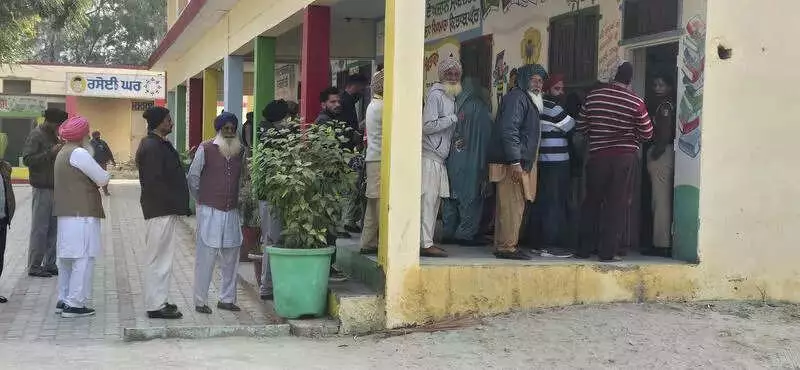
The Shiromani Akali Dal (SAD) faced a significant challenge in reviving its political fortunes in its former stronghold of Ludhiana during the recent rural local body elections. Despite the polls being conducted in the district's rural belt, a traditional bastion for the party, SAD's performance remained lackluster, signaling continued electoral difficulties.
Disappointing Numbers and a Major Blow in Dakha
The election results from Ludhiana district painted a grim picture for the Akali Dal. The party managed to secure victory in only three zila parishad seats and 44 panchayat samiti seats. Its position was second in seven zila parishad segments, while it finished third in ten others.
A particularly severe setback came from the Dakha constituency. The SAD failed to win a single seat in either the zila parishad or the panchayat samiti in the Mullanpur Dakha area. Furthermore, voters re-elected Manpreet Singh Ayali, dealing a double blow to the party. During the campaign, SAD president Sukhbir Singh Badal had personally visited Dakha and labeled Ayali a "traitor," vowing to never readmit him into the party fold.

Reasons Cited for the Poor Electoral Show
Senior party leaders attributed the underwhelming performance to a confluence of factors. A primary complaint was the sudden announcement of the elections, which they claimed left opposition parties with very limited time for candidate selection, filing nominations, and effective campaigning.
SAD leaders also alleged irregularities by the ruling Aam Aadmi Party (AAP), accusing it of adopting "foul means" to secure maximum seats. They pointed to alleged discrepancies in voter lists, claiming that the lists available with political parties differed from those with election staff, preventing many supporters from casting their votes.
Additionally, leaders conceded that internal factionalism within the SAD caused significant damage and led to losses in several seats. Senior leader Ranjit Singh Dhillon acknowledged this issue but maintained that the party's overall performance was better than expected under the circumstances.
Challenges in Voter Mobilization and Faith in Process
Beyond organizational and tactical issues, the Akali Dal highlighted a deeper problem. Party workers found it challenging to mobilize voters to reach polling booths. They cited an erosion of faith in the election process among the electorate as a key reason for low voter turnout among their support base.
Looking ahead, leaders like Dhillon stated that the party would need to work on multiple issues over the coming year. Internal meetings are planned where party members will share their views and strategize for future electoral battles, aiming to rebuild its presence in Punjab's political landscape, starting with its once-reliable rural heartland.