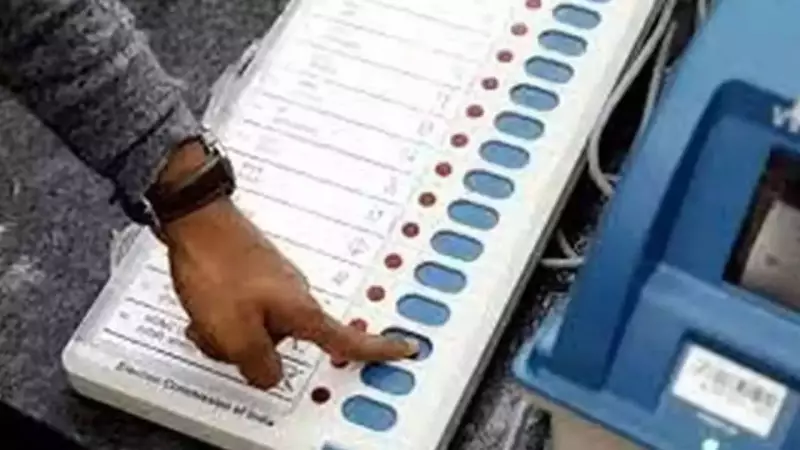
The crucial process of counting votes for the recently concluded zila parishad and panchayat samiti elections in Punjab commenced on Wednesday, with officials confirming the exercise is being conducted under a tight security blanket. The polls, which were held on December 14, are set to determine the political landscape at the grassroots level across the state.
Election Scale and Voter Participation
The elections covered a vast electoral field, with voters choosing representatives for 347 zones across 22 zila parishads and an even larger 2,838 zones spanning 153 panchayat samitis. The electoral battle saw participation from over 9,000 candidates vying for these positions. The state recorded a voter turnout of 48 per cent, reflecting the public's engagement in this tier of local governance.
Votes are being tallied at designated counting centres established across Punjab. The ballot papers are being sorted and counted, with candidates from all major political parties, including the ruling Aam Aadmi Party (AAP), the Congress, the Shiromani Akali Dal (SAD), and the Bharatiya Janata Party (BJP), contesting on their respective party symbols.

Allegations of Electoral Malpractices
The polling day was not without controversy. On December 14, the principal opposition parties, Congress and Shiromani Akali Dal, jointly accused the ruling AAP government of engaging in what they termed "blatant electoral malpractices" during the voting process. This accusation added a layer of political tension to the electoral exercise.
Furthermore, in the lead-up to the elections, these opposition parties had targeted the Bhagwant Mann-led AAP government with serious allegations. They claimed that the state machinery was misused to obstruct their candidates from filing nomination papers and to get those nominations rejected unfairly, setting a contentious prelude to the polls.
The Road Ahead for Local Governance
The results of these elections will have significant implications for the administration of rural Punjab. The elected members of the zila parishads (district councils) and panchayat samitis (block-level committees) will be responsible for local development projects and governance issues. The outcome is also being viewed as a key indicator of the political mood at the grassroots level amidst the ruling AAP's tenure.
As the counting proceeds, all eyes are on the results that will emerge from the hundreds of counting centres. The final tally will reveal which political parties have managed to gain the confidence of the rural electorate and secure a foothold in Punjab's vital local governance institutions.