The electoral battle for the Nagpur Municipal Corporation (NMC) has kicked off with unprecedented intensity, marked by a dramatically shortened campaign window. For what is believed to be the first time in the civic body's electoral history, candidates have barely over a week to introduce themselves to voters, build campaign machinery, and cover ground, setting the stage for a frenetic race against the clock.
A Frenetic Start on the Ground
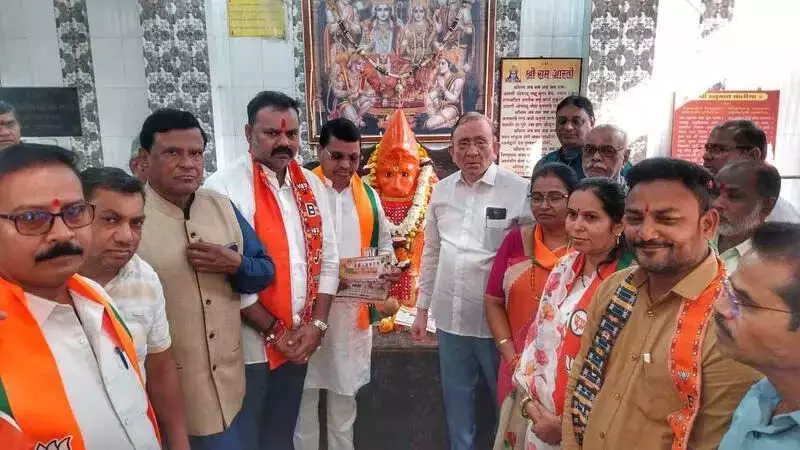
The compressed timeline has triggered immediate action across political camps. In Prabhag 26, candidates of the ruling Mahayuti alliance wasted no time, launching an intensive door-to-door campaign on Friday. The drive was formally inaugurated by East Nagpur MLA Krishna Khopde with a traditional coconut-breaking ceremony. Official candidates Dharampal Meshram, Seema Dhomne, Sharda Barai, and Jitendra Kukde immediately fanned out across lanes and residential complexes, greeting residents, seeking blessings, and promising swift resolution of civic issues.
Party workers claimed the enthusiastic turnout signaled growing public confidence in the alliance. The area was filled with the sounds of campaign music, banners, and vehicles, creating a palpable election buzz. This scene is being mirrored by other parties. Congress candidate Abhijeet Jha from Prabhag 14 (covering Civil Lines and parts of Sadar) has also begun door-knocking, with a focus on accessibility, improved civic services, and cleaner administration.

However, not all are rushing in. NCP (Ajit Pawar) candidate Manoj Sangole, a recent Congress defector, stated he will begin his campaign only from January 4, emphasizing a strict adherence to the rulebook. Meanwhile, many others have already deployed DJ systems, rickshaw convoys, flags, and publicity material across the city.
The Challenge of a Ten-Day Sprint
The extreme time crunch stems from the election schedule. Candidates formally receive their symbols on January 3 (Saturday). Campaigning must conclude 48 hours before voting on January 13. This effectively leaves aspirants, particularly newcomers and Independents, with just over a week to accomplish everything: introducing themselves, organizing volunteers, securing permissions, planning social media outreach, and physically covering every locality.
Seasoned politicians privately admit that such a short sprint heavily favours large, organized parties like the BJP and its allies, who have pre-existing networks of workers, ready vehicles, and campaign material. First-time candidates, in contrast, fear being drowned out by the noise of established players before they can even make themselves known.
Adding to the anxiety is the complexity of the Model Code of Conduct. The use of flags, loudspeakers on campaign vehicles, and even organizing WhatsApp groups require specific permissions or documentation. With clarity on procedures often arriving late, candidates are navigating a minefield, unsure how to campaign effectively without inadvertently attracting complaints and penalties.
BJP Mobilizes Its Network, Seeks Public Input
Recognizing the advantage of organization, the BJP has swiftly moved to consolidate its outreach. The party held a crucial meeting of its 42 affiliated fronts at the city office on Friday. City president Dayashankar Tiwari directed all wings to intensify their efforts and actively collect public suggestions for the party's manifesto, which is slated for release on January 10.
Special drives are planned over the weekend by the party's youth, women, minority, and tribal wings, with an ambitious target of gathering nearly 40,000 public inputs from across Nagpur. The BJP is also using technology, inviting citizens to submit their ideas for the city's development via QR codes, promoting an image of inclusive agenda-setting.
Despite the immense hurdles, the energy on Nagpur's streets is undeniable. With big rallies taking a backseat, the campaign's mainstay has become hyper-local: door-to-door visits, early morning meetings, and late-evening corner gatherings. Every single day is precious.

As the battle for the 151-member NMC House intensifies, one reality is starkly clear: This municipal election will be remembered not only as a contest between political rivals but as a grueling race against time itself, testing the stamina, strategy, and resourcefulness of every candidate in the fray.