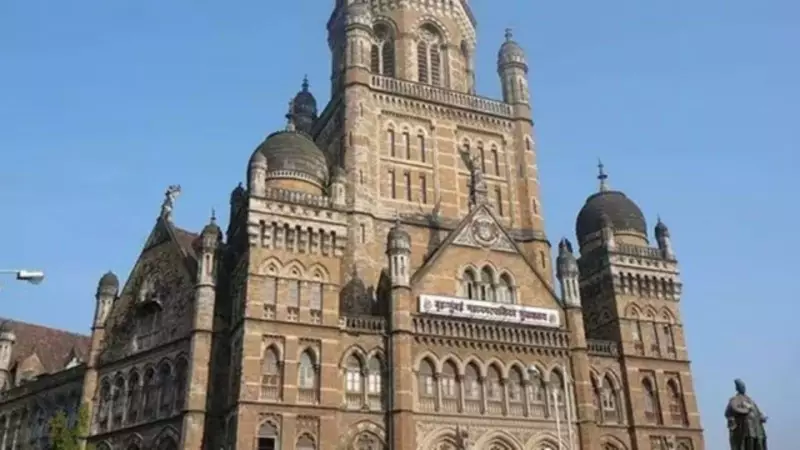
The stage is set for one of India's most significant urban democratic exercises. The Brihanmumbai Municipal Corporation (BMC) elections for 2026 are scheduled for January 15, 2016, with the counting of votes to follow on January 16. These polls will determine the civic leadership of India's financial capital, which is governed by the country's largest and wealthiest municipal body.
Understanding the BMC's Structure and Electoral Map
Mumbai's civic administration is organized into 24 administrative wards, labeled alphabetically from A to T. The BMC manages a vast array of local services in these zones, ranging from public health and sanitation to sewerage operations and infrastructure.
For electoral purposes, each of these large administrative wards is broken down into smaller units. In total, there are 227 electoral wards across the city. From these, citizens will elect their local representatives, known as corporators. The composition of these wards reflects a commitment to inclusive representation: 114 seats are reserved for women, including those from the Scheduled Castes (SC), Scheduled Tribes (ST), and Backward Classes. The remaining 113 wards fall under the General Category.

The 2026 Election Timeline and Key Details
The election process follows a strict schedule set by the State Election Commission. The nomination period for candidates ran from December 23 to December 30. Following scrutiny, the final opportunity for candidates to withdraw their nominations passed on January 2.
This year, a diverse pool of 1,700 candidates is in the fray, comprising 879 women and 821 men. Voting will take place on January 15 from 7:30 am to 5:30 pm across all 227 wards. To achieve a majority in the BMC house and secure the position of Mumbai's Mayor, any political party or alliance must win at least 114 seats.
Context and Significance of the BMC Polls
Established in 1873, the BMC commands a budget that surpasses that of several Indian states, underlining its critical role in managing Mumbai's complex urban ecosystem. Civic polls are constitutionally mandated every five years. The last election was held in February 2017, and the elected corporators' five-year term concluded on March 7, 2022.
Since the term ended, the BMC has been under the administration of a state government-appointed official, with the Municipal Commissioner acting as the administrator. The upcoming election marks the return of an elected civic body after a period of direct administration.
Ward boundaries are periodically revised to account for population shifts, a process known as delimitation. For the 2026 elections, the delimitation exercise resulted in changes to only six electoral wards, indicating relatively stable demographic patterns in most areas. As Mumbai prepares to vote, the focus is on local governance issues that directly impact the daily lives of its millions of residents.