

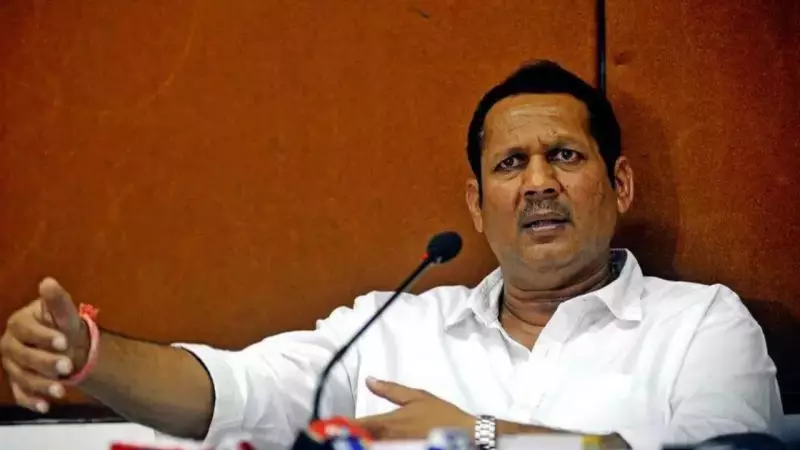
In a significant development concluding a two-decade-long legal dispute, Oxford University Press (OUP) India has formally apologized to the descendants of Chhatrapati Shivaji Maharaj and others offended by content in a controversial historical book. The apology follows a directive from the Kolhapur bench of the Bombay High Court.
A Legal Battle Spanning Decades
The controversy stems from James Laine's 2003 book, 'Shivaji: Hindu King in Islamic India', published by OUP. Specific references on pages 31, 33, 34, and 93 of the book were later found to contain "unverified statements" that sparked widespread outrage. The issue first erupted in 2004, leading to protests and even an attack on a history research centre based in Pune.
Acting on a complaint filed by Chhatrapati Udayanraje Bhosale, the 13th descendant of the legendary Maratha king, a magistrate's court had initiated criminal defamation proceedings on April 2, 2005. The case was filed under Section 500 of the Indian Penal Code against OUP India's representative, Sayeed Manzar Khan, and three others.

High Court Intervention and Resolution
The accused parties appealed to the Bombay High Court, which subsequently referred the matter to its Kolhapur bench. The petition was taken up by Justice Shivkumar Dige on December 17 last year. During the proceedings, the lawyers for Khan and the other petitioners stated their clients were prepared to issue a national apology to Bhosale.
The bench granted the petitioners a 15-day period to fulfill this commitment. Upon the publication of the apology, the court quashed the lower court's order for proceedings against them. OUP India published the apology notice in newspapers, expressing regret that the contentious portions were not detected during the publication process over two decades ago.
Publisher's Stance and Recall Action
In an email response to queries, Ruchika Tandon, OUP India's representative, clarified the publisher's position. She stated that the title in question was published for a brief period in India more than twenty years ago. "In response to concerns about the title's content which were raised at the time, we took prompt steps to recall the title and withdraw it from circulation," Tandon said.
She further emphasized that OUP India seeks to "consider cultural sensitivities and context carefully to ensure that our products can be read and enjoyed by as many people worldwide as possible." The publishing house maintains a wide range of resources with diverse perspectives across disciplines.
This case highlights the enduring sensitivity around historical narratives concerning revered national figures in India and the legal avenues available to address grievances related to published content deemed offensive or inaccurate.






