

US-Iran Peace Deal Reshapes West Asia Geopolitics
The signing of a historic peace deal between the United States and Iran on June 24, 2026, has triggered a major realignment in West Asia, opening new strategic opportunities for India. The agreement, brokered after months of intensive diplomacy, ends decades of hostility and sanctions, paving the way for regional integration and economic cooperation.
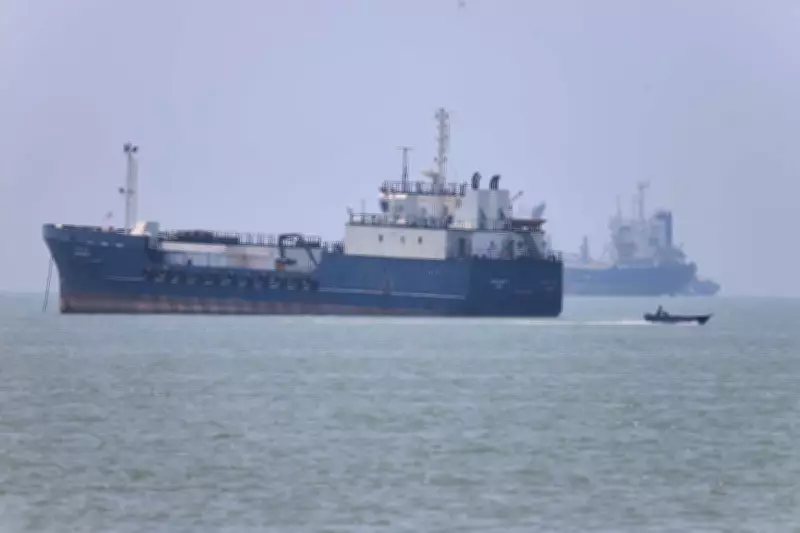
According to the joint statement issued by Washington and Tehran, the deal includes mutual recognition, lifting of economic sanctions, and a framework for security cooperation. This breakthrough is expected to reduce tensions across the region, particularly in the Persian Gulf and the Strait of Hormuz, a critical chokepoint for global oil shipments.
India's Strategic Gains: Energy Security and Trade Routes
For India, the most immediate benefit is enhanced energy security. Iran holds the world's second-largest natural gas reserves and fourth-largest oil reserves. With sanctions lifted, India can resume large-scale imports of crude oil and natural gas, diversifying its energy basket away from the Middle East and reducing price volatility. The Indian Oil Corporation has already signaled plans to renegotiate long-term supply contracts with the National Iranian Oil Company.

Beyond energy, the peace deal unlocks the potential of the International North-South Transport Corridor (INSTC), a multi-modal route linking India to Russia and Europe via Iran. The Chabahar port in southeastern Iran, developed with Indian investment, becomes a strategic hub for trade with Afghanistan and Central Asia. The Indian government estimates that cargo transit time to Russia could be cut by 40% using this corridor.
India-Middle East-Europe Corridor Gains Momentum
The realignment also boosts the India-Middle East-Europe Corridor (IMEC), announced at the G20 Summit in 2023. IMEC aims to connect India to Europe via rail and sea links through the UAE, Saudi Arabia, Jordan, and Israel. With Iran now integrated into regional frameworks, the corridor could be extended to include Iranian ports, enhancing connectivity for Indian goods.
Union Minister for External Affairs S. Jaishankar said, "The US-Iran peace deal is a game-changer for India's connectivity ambitions. It aligns with our vision of a stable, integrated West Asia that benefits all stakeholders." He added that India is ready to expand its role in regional infrastructure projects.
Trade and Investment Opportunities
Bilateral trade between India and Iran, which plummeted to $2 billion in 2025 due to sanctions, is expected to surge to $15 billion within three years, according to the Federation of Indian Export Organisations. Key sectors include pharmaceuticals, engineering goods, tea, and rice. Indian companies are also eyeing investments in Iran's petrochemical, steel, and automobile industries.
The deal also opens the door for India to participate in Iran's massive infrastructure modernization program, including railway electrification, port expansion, and digital connectivity. The Asian Infrastructure Investment Bank has expressed interest in co-financing projects under a new Indo-Iranian partnership framework.
Regional Stability and Counterterrorism
Security analysts note that the peace deal reduces the risk of conflict in the Persian Gulf, which previously threatened Indian expatriates and oil supplies. The agreement includes provisions for joint maritime security patrols, which India could join as a dialogue partner. This aligns with India's "Neighbourhood First" and "Act West" policies.
However, challenges remain. The deal faces opposition from hardliners in both the US and Iran. Implementation of sanctions relief will be phased over 18 months. India must also navigate its ties with Israel, Saudi Arabia, and the UAE, which view the deal with caution. The Indian Ministry of External Affairs has assured all partners that India's engagement with Iran will be transparent and complementary to existing relationships.

Conclusion: A New Chapter for India-West Asia Relations
The US-Iran peace deal marks a pivotal moment for India's foreign policy. By leveraging the new realignment, India can secure energy supplies, boost trade, and enhance connectivity across Eurasia. The coming months will test the durability of the agreement, but the opportunities for India are unprecedented. As Jaishankar noted, "India stands ready to be a bridge builder and a beneficiary of this new era of cooperation."





