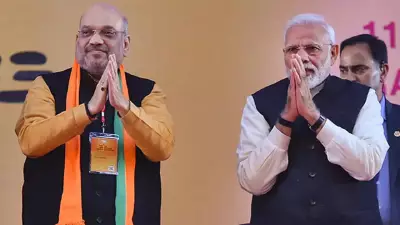
In a dramatic series of statements, former US President Donald Trump first expressed displeasure over India's strategic engagements before making a significant reversal, highlighting the complex dynamics of global diplomacy and trade. The developments come against the backdrop of Prime Minister Narendra Modi's participation in the recent SCO Summit, where he met with leaders like Russia's Vladimir Putin and China's Xi Jinping.
From 'Sulking' to a Stunning U-Turn
Initially, Donald Trump was critical, suggesting that the United States had "lost India to China." He appeared to view India's diplomatic and economic interactions within frameworks like the Shanghai Cooperation Organisation (SCO) as a pivot towards Beijing, away from Washington's influence. This sentiment was quickly followed by a complete change in tone. In a remarkable shift, Trump later asserted, "Modi & I will always be friends," effectively performing a public U-turn on his earlier claims of a strained partnership.
Trade Tensions and the Russian Oil Ultimatum
The diplomatic friction spilled over into trade, with Trump's camp reacting sharply to India's continued energy purchases from Russia. Reports indicate that Trump's trade adviser expressed anger over the "bonhomie" between Modi, Putin, and Xi at the SCO summit, seeing it as undermining US pressure campaigns. This led to a significant escalation where Trump reportedly "declared war" on trade, threatening to slap an additional 25% in tariffs on Indian goods. The core issue was India's refusal to snub Putin and reject Russian oil, leading to an alleged 24-hour ultimatum for Delhi to stop buying or face consequences.

Prime Minister Modi, addressing global economic policies at the SCO, criticized "selfish economies," a remark widely interpreted as a pointed response to the US's tariff gambit and protectionist policies.
Broader Regional and Domestic Context
These international developments coincided with significant events within India. PM Modi made his first visit to Jammu & Kashmir after the Pahalgam attack, declaring that "Pakistan attacked Kashmiriyat." Separately, a tragic landslide in Sikkim, triggered by the swelling of the Teesta river, hit an Indian Army camp, resulting in three personnel killed and six missing.
On the diplomatic front, Congress leader Shashi Tharoor mocked Pakistan's stance on Kashmir during a speech in Guyana, highlighting the ongoing political discourse around the region. Meanwhile, Russian Foreign Minister Sergey Lavrov declared that President Putin would not meet with Ukrainian leader Volodymyr Zelensky, adding another layer to the complex global political landscape that India navigates.
The confluence of these events underscores India's challenging position on the world stage, balancing historic partnerships, energy security needs, and strategic autonomy amid great power rivalry and escalating trade threats.