The geopolitical landscape witnessed significant turbulence this week, centered on India's foreign policy decisions and the reactive stance of former US President Donald Trump. The core issue revolves around India's continued engagement with Russia and its participation in the Shanghai Cooperation Organisation (SCO) summit, which has drawn sharp responses from Trump's camp.
Trump's Tariff Threats and Sudden Reversal
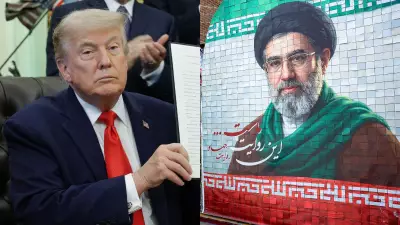
Former President Donald Trump initially expressed strong disapproval, described as 'sulking,' over India's perceived 'pivot' towards China and its steadfast relationship with Russia. This discontent culminated in a stark economic threat: Trump declared a 25% increase in tariffs on India, framing it as a response to Delhi's refusal to snub Russian President Vladimir Putin and reject imports of Russian oil. His trade adviser reportedly issued a furious statement, framing India's defiance as a 'shame' and flipping the US's tariff strategy.
In a dramatic shift, however, Trump later performed a 'stunning U-turn.' He stated, 'Modi & I will always be friends,' significantly softening his earlier aggressive posture. This reversal came after his initial claim that the US had 'lost India to China,' highlighting the volatile nature of the discourse surrounding US-India trade and strategic relations.

Modi's Strategic Moves at the SCO Summit
Amidst this transatlantic friction, Prime Minister Narendra Modi was actively engaged in diplomacy at the SCO summit. The meeting showcased notable bonhomie between Modi, Russian President Vladimir Putin, and Chinese President Xi Jinping. This tripartite interaction at a forum seen as a counterbalance to Western alliances clearly signaled India's commitment to a multi-aligned foreign policy.
PM Modi did not shy away from addressing economic protectionism, a pointed reference to Trump's tariff policies. He criticized 'selfish economies' that prioritize their own interests at the expense of global cooperation, a comment widely interpreted as a rebuttal to the US's tariff gambit. This stance underscores India's position on maintaining independent economic and strategic partnerships.
Domestic Front: Kashmir and Sikkim Tragedies
On the domestic front, PM Modi made his first visit to Jammu & Kashmir following the tragic Pahalgam terrorist attack. During the visit, he made a significant declaration, stating that Pakistan had attacked 'Kashmiriyat'—the ethos of Kashmiri culture and harmony. This reinforced the government's narrative on cross-border terrorism.
Simultaneously, a natural disaster struck Sikkim, where a devastating landslide triggered by the swelling of the Teesta river hit an Indian Army camp. The incident resulted in the tragic loss of three army personnel, with six others reported missing. The event highlights the ongoing challenges posed by extreme weather conditions in the region.
Broader Implications and Diplomatic Echoes
The week's events underscore the delicate balance India maintains in global politics. The tension between Washington's demands and New Delhi's strategic autonomy, particularly regarding energy security through Russian oil imports, remains a critical flashpoint. The swift change in Trump's rhetoric demonstrates the complex and often unpredictable nature of this bilateral relationship.
Furthermore, Russian Foreign Minister Sergey Lavrov's declaration that Putin would not meet Ukrainian President Volodymyr Zelensky added another layer to the global scenario, indirectly reflecting the entrenched positions in the Ukraine conflict which continue to influence wider international alliances.
In a related diplomatic note, Congress leader Shashi Tharoor, speaking in Guyana, mocked Pakistan's aspirations on Kashmir, emphasizing that they 'want something they don't have.' This comment aligns with India's consistent diplomatic position on the issue.
The convergence of these events—from tariff threats and summit diplomacy to domestic security and natural disasters—paints a picture of a nation navigating a complex web of international pressure and domestic priorities while steadfastly asserting its sovereign right to choose its partners and policies.