

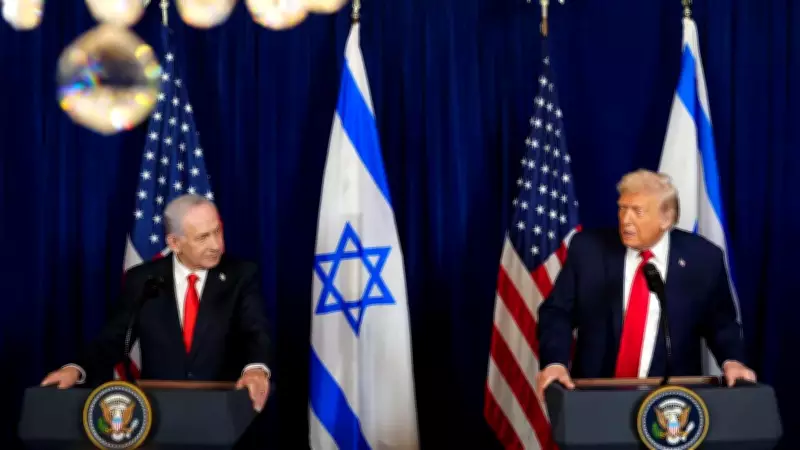
Trump's Growing Awareness of Netanyahu's Diplomatic Complexities
In a significant development in international politics, former United States President Donald Trump is reportedly coming to terms with the intricate challenges presented by Israeli Prime Minister Benjamin Netanyahu's leadership approach. This realization marks a notable shift in perspective, highlighting the nuanced dynamics that define US-Israel relations under Netanyahu's prolonged tenure.
The Evolving Perception of a Key Ally
Sources close to the matter indicate that Trump, known for his strong support of Israel during his presidency, is now acknowledging the diplomatic hurdles associated with Netanyahu's governance. The Israeli Prime Minister, often referred to as "Bibi," has been a dominant figure in Israeli politics for years, steering the nation through periods of intense regional tension and global scrutiny.
Trump's administration was characterized by a close alignment with Netanyahu, including landmark moves such as recognizing Jerusalem as Israel's capital and brokering the Abraham Accords. However, recent reflections suggest a growing awareness of the complexities that Netanyahu's leadership introduces into broader Middle Eastern diplomacy and US strategic interests.

Factors Contributing to the Diplomatic Strain
Several key issues are believed to be at the core of this realization:
- Netanyahu's Hardline Stance: His unwavering positions on settlements, Palestinian statehood, and security matters have often clashed with international consensus, creating friction in diplomatic circles.
- Domestic Political Instability: Israel's frequent elections and coalition crises under Netanyahu have led to policy unpredictability, complicating long-term US planning.
- Regional Alliances: While Netanyahu has expanded Israel's ties with Arab nations, his approach has sometimes strained relations with traditional US partners in the region.
- Personal Diplomacy Style: Netanyahu's direct and often confrontational style in international forums has been noted as a factor in diplomatic challenges.
Implications for US Foreign Policy
This shift in Trump's understanding could signal a broader reevaluation within certain US political circles regarding the nature of the US-Israel partnership. It underscores the delicate balance between unwavering support for Israel and the pragmatic demands of global diplomacy. The realization that Netanyahu's leadership, while aligned with US interests in many areas, also presents unique obstacles is a critical insight for future policy formulation.
As the geopolitical landscape continues to evolve, with ongoing conflicts and shifting alliances in the Middle East, the dynamics between US leaders and Israeli counterparts remain a focal point of international relations. Trump's reported awakening to these complexities adds a new layer to the discourse on how best to navigate this crucial bilateral relationship.
Ultimately, this development highlights the enduring importance of nuanced leadership in international affairs, where steadfast alliances must be managed alongside the recognition of inherent challenges posed by key partners' domestic and foreign policies.






