

Trump Accuses Iran of Secret Negotiation Fears Amid Escalating Conflict
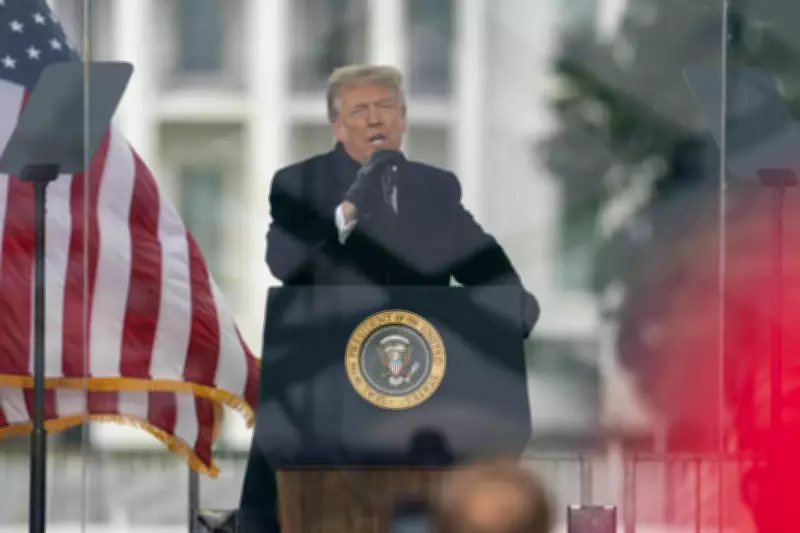
In a fiery address at the NRCC Annual Fundraising Dinner on Thursday, former US President Donald Trump launched a fresh verbal assault on Iran, claiming the nation's leadership is eager to negotiate a deal but is paralyzed by fear. Trump asserted that Iranian officials are terrified of both their own populace and potential US retaliation, preventing them from openly pursuing diplomacy.
"They Want a Deal So Badly, But They Are Afraid"
Trump framed Iran's nuclear ambitions as an imminent global threat, stating, "I said we are going to have to do something about Iran because they are going to have a nuclear weapon very soon and they are crazy... We have to stop them." He portrayed his administration's actions as decisive interventions that previous governments, including Barack Obama's, had failed to undertake.
Elaborating on Iran's alleged clandestine desires, Trump remarked, "They are negotiating, by the way. They want to make a deal so badly, but they are afraid to say it because they figure they will be killed by their own people. They are also afraid they will be killed by us." He further added a pointed criticism of Iran's leadership, claiming, "there has never been a head of a country that wanted that job less than being the head of Iran."

Boasts of Military Prowess and Strategic Strikes
Trump detailed what he described as successful military operations under his watch. He highlighted a specific incident where US defense systems allegedly neutralized a massive Iranian missile attack. "We had an attack. 100 missiles were shot by Iran at a very important thing that we had... Of the 100 missiles coming at us, 100 missiles were immediately shot down, shot out of the air, and fell into the sea," he claimed.
He also referenced strikes on key Iranian nuclear sites, stating, "We did attack, and we obliterated the site..." Trump defended his decision to terminate the Iran nuclear agreement, arguing, "I terminated that agreement as soon as I came to office. If I didn't terminate it, that weapon would have been used a long time ago."
Portrayal as a Necessary "Cancer" Removal
Using stark medical metaphors, Trump justified his aggressive stance. "In the short term, what we had to do was get rid of the cancer. We had to cut out the cancer. The cancer was Iran with a nuclear weapon. We have cut it out. Now we are going to finish it off," he declared. He positioned his actions as long-overdue measures that should have been taken decades earlier.
Trump further cited other operations to underscore American military capability, including the apprehension of Venezuelan leader Nicolas Maduro. "Earlier this year, in a stunning display of American military strength and skill, we apprehended an outlaw from Venezuela, Nicolas Maduro, and brought him to face American justice... We went in, and we got him out of his house," he recounted.
Iran's Defiant Response and Regional Warnings
Meanwhile, Iran has responded with defiance and warnings of its own. Speaker of Iran’s Parliament, MB Ghalibaf, posted on social media platform X that intelligence indicates adversaries might be planning to seize an Iranian island with regional support. "Our forces are monitoring all enemy movements, and if they take any step, all the vital infrastructure of that regional country will be targeted with relentless, unceasing attacks," he threatened.
An Iranian military spokesperson, Lt Col Ebrahim Zolfaghari, openly mocked US ceasefire efforts, dismissing Trump's claims of ongoing talks by suggesting the US was "negotiating with itself." This skepticism casts doubt on Washington's proposed 15-point peace plan as hostilities persist into their fourth week.
Escalating Tensions and Global Economic Impact
The conflict shows no signs of abating, with continuous airstrikes on Iran and retaliatory missile and drone launches by Iran toward Israel and other regional targets. The economic repercussions are becoming increasingly severe, particularly due to disruptions around the critical Strait of Hormuz.

These disturbances have roiled global energy markets, driving oil prices higher and amplifying calls within the United States for a swift resolution. The strategic waterway remains a flashpoint, with Iran recently turning back a Pakistan-bound ship citing "lack of permission," further complicating maritime security.
As tensions intensify, Trump's claims and Iran's warnings underscore a volatile standoff with profound implications for regional stability and international security, with both sides preparing for potential escalation.





