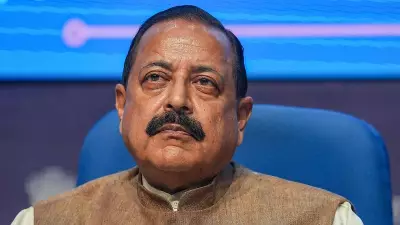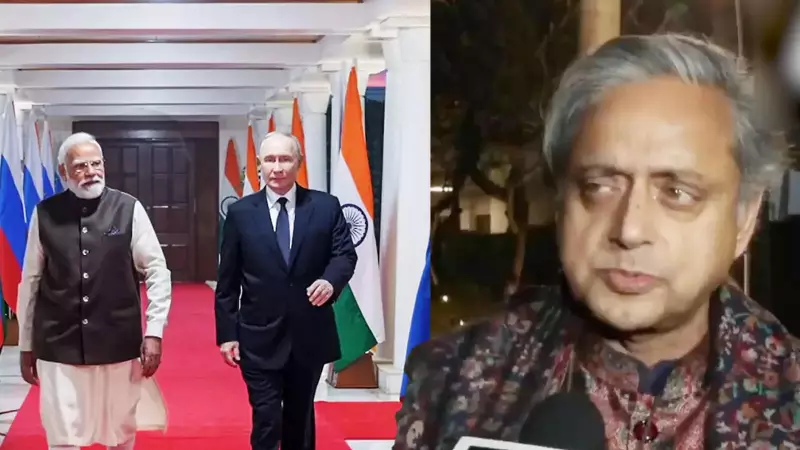
A significant defence deal between India and Russia faces a major hurdle, with the acquisition of the advanced S-500 Prometey air defence system now appearing unlikely to be finalized during the upcoming summit between Prime Minister Narendra Modi and President Vladimir Putin. This revelation comes from a former scientist of India's Defence Research and Development Organisation (DRDO), who has detailed the technical and strategic roadblocks preventing the immediate purchase.
The Core Roadblock: Technology and Readiness
The former DRDO official explained that the primary issue is not diplomatic but rooted in the system's current stage of development and deployment. Russia has only recently begun deploying the S-500 within its own military, prioritizing its domestic air defence needs. As a result, the system is not yet available for export to foreign partners, including India, a longstanding and trusted ally.
Furthermore, the scientist highlighted that the S-500 represents a generational leap over the S-400 systems India is already inducting. The integration of such a cutting-edge system requires extensive evaluation, infrastructure preparation, and crew training, processes that cannot be rushed. India's armed forces are still in the process of absorbing the S-400 technology, making an immediate leap to the S-500 logistically and operationally complex.

Strategic Implications for India-Russia Ties
This delay in the S-500 deal occurs against the backdrop of a crucial diplomatic engagement. Prime Minister Modi is set to host President Putin, with the visit marked by a grand welcome and a rare protocol break, signalling the deep strategic partnership. While defence cooperation remains a cornerstone of this relationship, the S-500 situation underscores a shift.
India's defence procurement strategy is increasingly diversifying, with a growing emphasis on indigenous development through initiatives like 'Make in India' and sourcing from other global partners like the US, France, and Israel. The roadblock on the S-500, therefore, may accelerate India's focus on its own missile defence projects and multi-vendor sourcing to meet its security needs.
Broader Global Defence Context
The analysis from the ex-DRDO scientist also indirectly touches upon the complex global defence landscape. Russia, as the manufacturer, is navigating its own challenges, including the ongoing conflict in Ukraine and international sanctions. These factors inevitably impact its defence export timelines and capabilities. For India, navigating this landscape requires balancing its historic defence ties with Moscow with its growing strategic convergences with Western nations.
While the S-500 deal is off the table for now, the Modi-Putin summit is expected to cover a wide range of bilateral issues, including trade, energy, and other areas of defence collaboration. The two leaders are likely to discuss the ongoing delivery of the S-400 systems and joint ventures in military hardware production.
In conclusion, while the prospect of India acquiring the formidable S-500 air defence system has generated significant interest, expert insight confirms it will not be a centerpiece of the imminent high-level talks. The development highlights the intricate realities of global defence trade, where technological readiness, domestic priorities, and strategic autonomy play decisive roles alongside diplomatic friendships.